A Patients Perspective of Clinical Trial Benefits
Dorothy Leone-Glasser, RN, HHC, CEO Advocates for Responsible Care,
Chair Ga Bio Patient Advocacy Alliance
Clinical trials are essential for the development of new treatments for chronic illness patients. Every new medicine and treatment started with volunteers participating in clinical trials. Our current high standards of medical care and newly discovered therapies have improved the lives of so many patients with chronic, incurable illness. In addition to testing new drugs and devices, clinical trials provide a scientific basis for advising and treating patients.
Being diagnosed with an incurable disease at 19 years, I have always participated in clinical trials. Yes, the larger view of clinical trials research is designed to yield scientific knowledge for future patients that improves their health outcome. For me, the decision to take part in trials was a necessity to stay alive. Having serious complications to my Systemic Lupus, medicine was still in the dark as to effective treatment to stop the progression of the disease. I was involved in clinical trials from Plasmapheresis, nutrition and lifestyle changes to drugs used for other diseases. When I was an adult, needing to obtain my own medical insurance, prior to the ACA, I was unable to get insured because of my poor risk rating due to heart attack, stroke, kidney failure and seizures; all related to my disease. With my next diagnosis of cancer at age 30 then another cancer diagnosis five years later, I was once again looking for clinical trials. I was fortunate to know caring physician colleagues who assisted me in my quest. Physicians play a key role in referrals to clinical trials. Being well-prepared to answer common questions will help clinicians guide their patients and family members through the decision process.
I did my research to understand the risks and benefits of each trial, knowing that rules are in place to protect human research subjects and all studies involving humans are reviewed locally to ensure that subjects are treated safely, fairly, and confidentially. Nevertheless, each patient should consider for themselves whether participation in a trial is safe for them and consistent with their values. Every patient must be comfortable to ask the research team any questions they have and to voice their concerns throughout the trial period. Patients must understand that there are risks in clinical trials, such as possible side effects resulting from the treatment and they should be aware that the treatment may not be effective for the participant. Participating in a trial also takes a greater commitment of your time and attention than standard treatment.
The accepted view had been, patients should not misunderstand clinical trials as a substitute for medical care. However, without insurance, I saw the clinical trial as a way to obtain expert medical care at a leading health care institution. The rigorous oversight during the trials helped to empower me to be my best healthcare advocate, keep me on track with my self-care and opened the door to other resources that enabled me to continue my education and career goals even while wheelchair bound.
Clinical trials provide research that helps patients be full participants in their illness, regardless of the trial outcome. Well-designed and executed clinical trials provide an opportunity for participants to:
- Play an active role in their own health care
- Empower patients to be their best healthcare advocate
- Gain access to new research treatments before they are widely available
- Increase the options for treatment when standard therapy has failed
- Obtain expert medical care at leading health care facilities during the trial
- Expand research and methods of care to underserved and minority communities while balancing health equity
- Help others by contributing to the advancement of medical knowledge
Participating in clinical trials throughout my illness journey has extended my life, empowering me to have a successful career as a Nurse Specialist, Chronic Illness Counselor and Health Advocacy organizer. They provided an opportunity to understand the complexities of my diseases, to have my voice heard as an involved patient, to ease the stress for my concerned caregivers and to play a role in helping other patients sharing the same illness struggles.
Clinical trials are essential for the development of new treatments. Whether or not to participate in a clinical trial is a personal decision. Each patient and each clinical trial is different. When considering a clinical trial, you must commit to being an active participant; gathering as much information as possible, coordinating with your physician and medical team and then doing what you feel is best for you. Those who decide to volunteer may be contributing directly to our understanding of diseases and how to treat them.
Panelists

Michelle Kimberly Clark
Breast Cancer Survivor, Clinical Trials Patient Participant
In May of 2013, while exercising Michelle felt a small mass on her left breast. In 2015, she met Andre (her husband), starting her life as a young, vibrant, African American woman. They moved to Atlanta and as Michelle states, she was “on her way to living every girl’s dream of love, marriage, and then the baby in the baby carriage!” While showering she noticed that after two years the lump was still in her breast. She scheduled her annual physical, and unfortunately was told by her doctor not to worry about the lump; “You’re too young,” the doctor exclaimed!
In 2019 Michelle sought a second opinion by a new doctor who scheduled her for a mammogram and ultrasound. The COVID-19 pandemic hit and stalled her appointment for what has already been a long and unsettling process. In August 31, 2021, after completing a mammogram and ultrasound., at just 36 years old, Michelle was diagnosed with breast cancer in her left breast with a suspicious area on her right breast.
Michelle made the difficult decision to have double mastectomy surgery. On November 2, 2021, she froze seven (7) embryos and on January 2022 she entered a clinical trial, completing four rounds of intense chemotherapy. A component of her trial included the research team tracking neuropathy in African American women under treatment using the drug Taxane (docetaxel).
Michelle admits she was hesitant to participate in the clinical trial at first, because of the uncertainty and having a bit of selfishness for her own health. However, after voicing her concerns to her doctor and an amazing research nurse, she felt comfortable with being a part of a clinical trial that would allow her to discuss the effects of the treatment. Oftentimes, patients dealing with serious illness hear the words “clinical trial” and they feel reluctant to move forward. Michelle felt reassured this trial allowed her to feel confident in knowing that her experience would benefit more black women undergoing treatment for breast cancer in the future. From her participation in this trial, her research nurse, later became a part of her support group. Michelle believes that clinical trials are important because they allow medications and treatments to be effectively targeted for African American women.

Dr. Del Smith
CEO, Acclinate
Dr. Del Smith is passionate about using business principles to address health inequities that have long plagued communities of color. He is the co-founder and CEO of Acclinate, a growing digital health company on a mission to improve health equity through inclusive research. Del’s career spans healthcare, IT, government, and higher education. He earned his Ph.D. In Management from the University of Alabama and spent seven years as an HBCU business school dean prior to co-founding Acclinate.
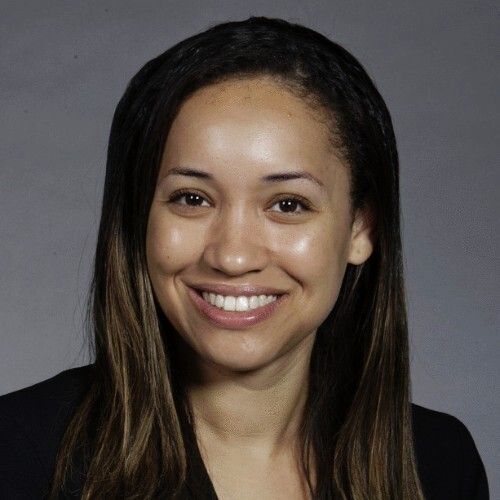
Jessica Williams, MD, MPH
Assistant Professor of Medicine; Division of Rheumatology; Emory University School of Medicine; Director, Lupus Patient Navigator Program Grady Lupus Clinic
Jessica Williams, M.D, M.P.H is an Assistant Professor of Medicine in the Division of Rheumatology at Emory University School of Medicine. Dr. Williams is a graduate of Emory University School of Medicine (MD, 2015), Emory University Rollins School of Public Health (MPH in Epidemiology, 2015), Harvard/Brigham and Women’s Hospital Internal Medicine Residency (2018), and Harvard/Brigham and Women’s Hospital Rheumatology Fellowship (2021). She is passionate about clinical research to advance care for patients living with lupus, with a focus on diverse and underserved patient populations. Her research to date has resulted in twenty-four publications and two oral presentations at the American College of Rheumatology annual meetings. Her recent first-author publications have focused on increasing diversity in lupus clinical trials, racial disparities in contraception care among reproductive age-women with lupus, and use of an integrated care management program to uncover social determinants of health needs among patients with lupus. Dr. Williams is also a practicing rheumatologist at Grady Memorial Hospital in Atlanta, Georgia, where she supervises Emory rheumatology fellows in both the clinic and inpatient consult setting.
Dr. Williams was recently awarded a grant from the Bristol Myers Squibb Foundation Diversity in Clinical Trials Career Development Program to study clinical trial perceptions and barriers among a large, population-based, predominantly Black cohort of patients with lupus and to implement the Phase III REGENCY clinical trial for lupus nephritis in a predominantly Black, safety-net clinic setting. She has also received research awards from the Rheumatology Research Foundation and the American Society of Hematology, as well as a Health Equity Innovation Program research grant from the Brigham and Women’s Hospital Department of Medicine to implement a nurse-led pilot clinical trial to reduce acute care utilization and improve preventive care among high-risk patients with lupus. Her other current projects include implementation of a lupus patient navigator program in the Grady Lupus Clinic, development of a lupus cohort in rural Georgia, exploring risk factors for suicidality among patients with lupus, and exploring social determinant of health risk factors for recurrent acute care use among patients with lupus.
The post A Patients Perspective of Clinical Trial Benefits appeared first on Georgia Bio.