Strengthening
Georgia's Bioscience Workforce Pipeline
The Georgia Life Sciences Institute works to close the gap between talent and opportunity in life sciences.
The Institute’s charter:
- Identifies and responds to the labor needs of the Georgia’s life sciences industry.
- Prepares students, graduates, and job seekers to enter high-growth career pathways in the life sciences field.
- Connects employers to qualified professionals.
- Builds the pipeline of next-generation life sciences leaders.
Georgia Life Sciences is committed to strengthening the life sciences workforce pipeline through classroom-to-career initiatives that align with industry needs. We are building the capacity of Georgia classrooms to support the future life science workforce with teacher professional development in biotechnology and other training for current workforce needs (e.g., biotech courses for nonscientists and executive leadership training for future managers).
Georgia Life Sciences is a 501(c)(6) nonprofit trade association. Its affiliate, the Georgia Life Sciences Institute, is a 501(c)(3) charitable nonprofit, EIN 33-4527289, dedicated to bridging the gap between talent and opportunity in the life sciences. The Institute relies on the generosity of individual and company donations as well as philanthropic and government grants. Please consult your tax advisor regarding the deductibility of sponsorships or contributions.
Strategic Workforce Priorities
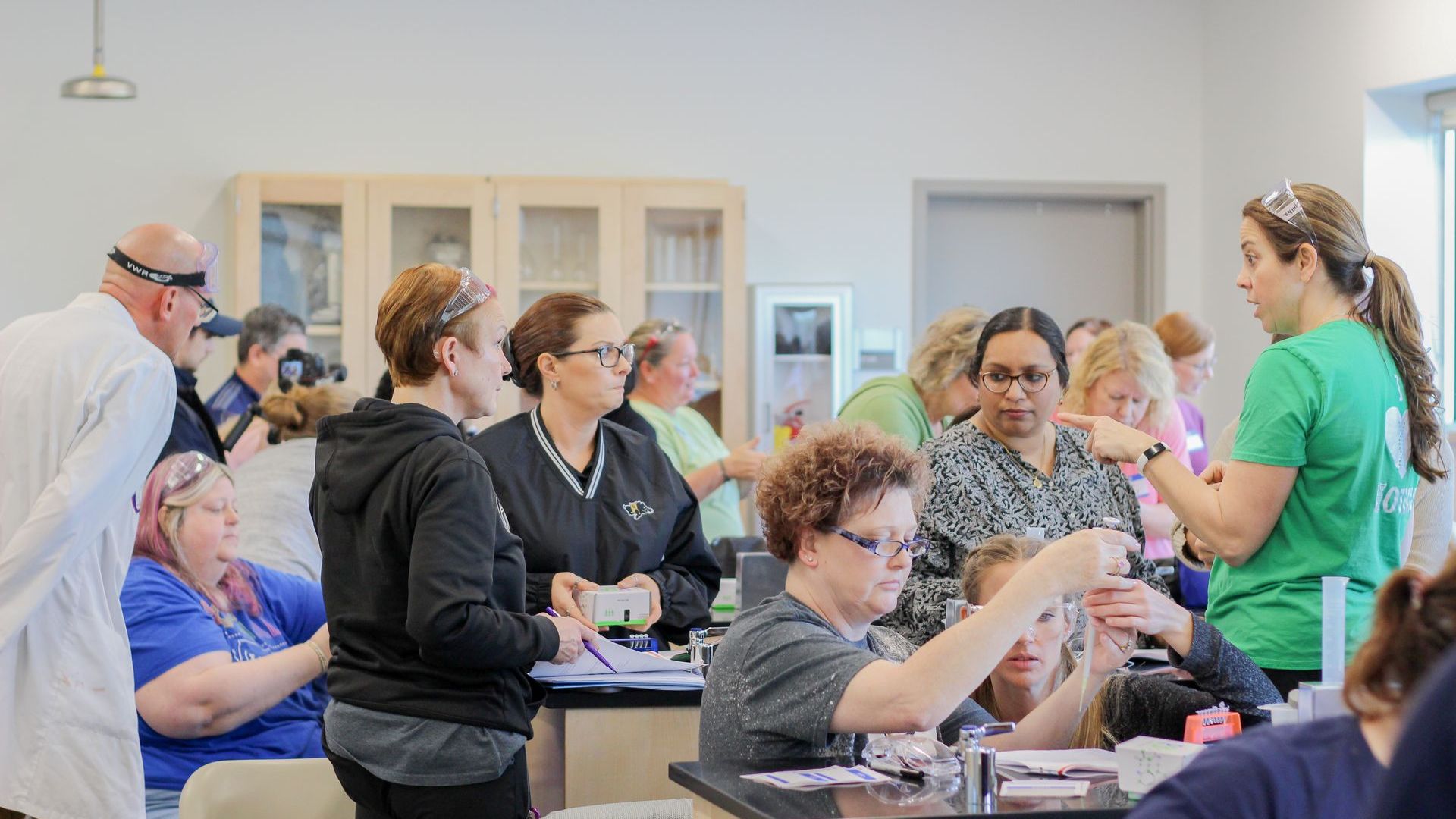
Build the capacity of K-12 schools to generate Georgia’s future life science workforce
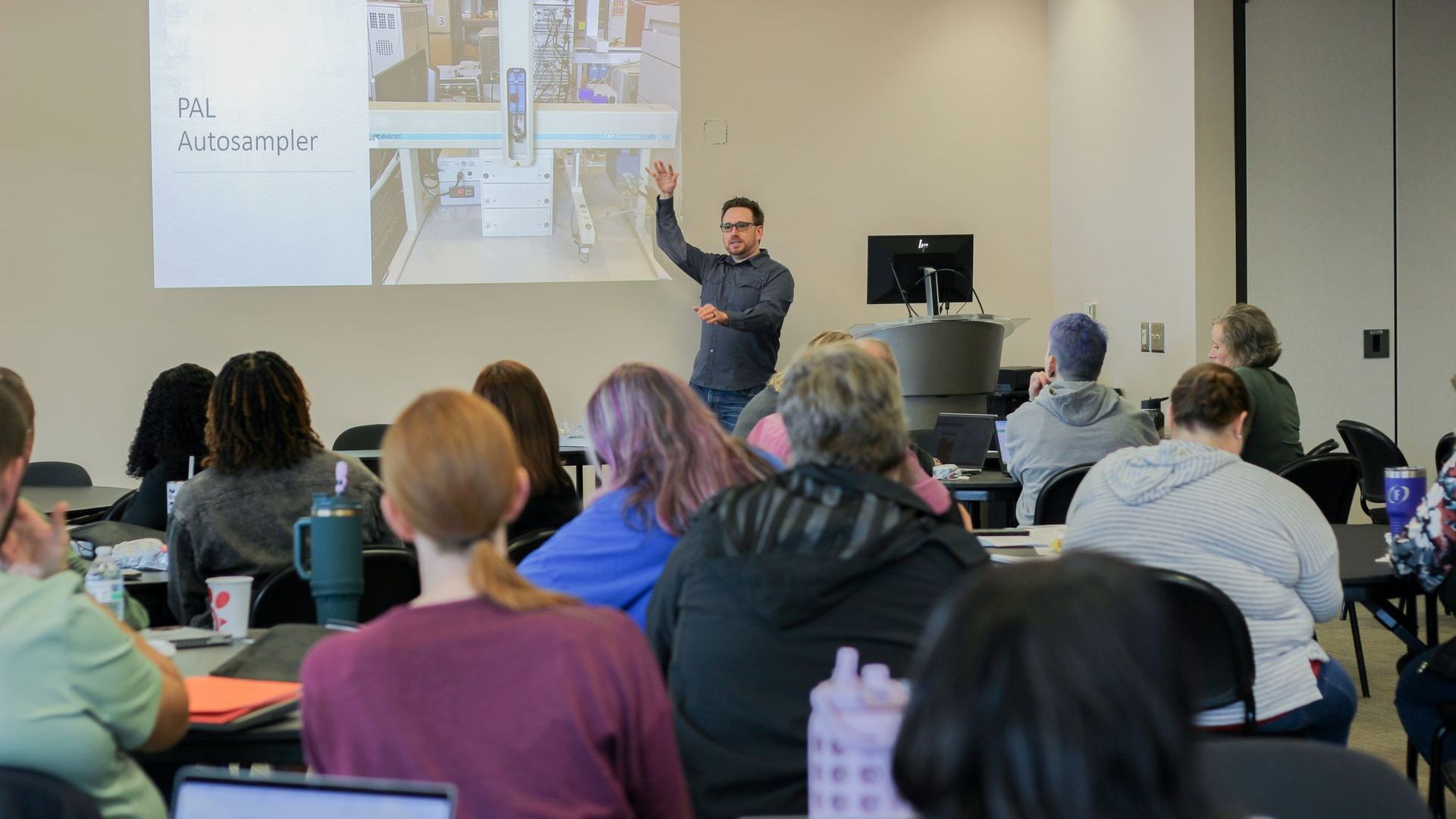
Strengthen our current workforce through professional development and career services
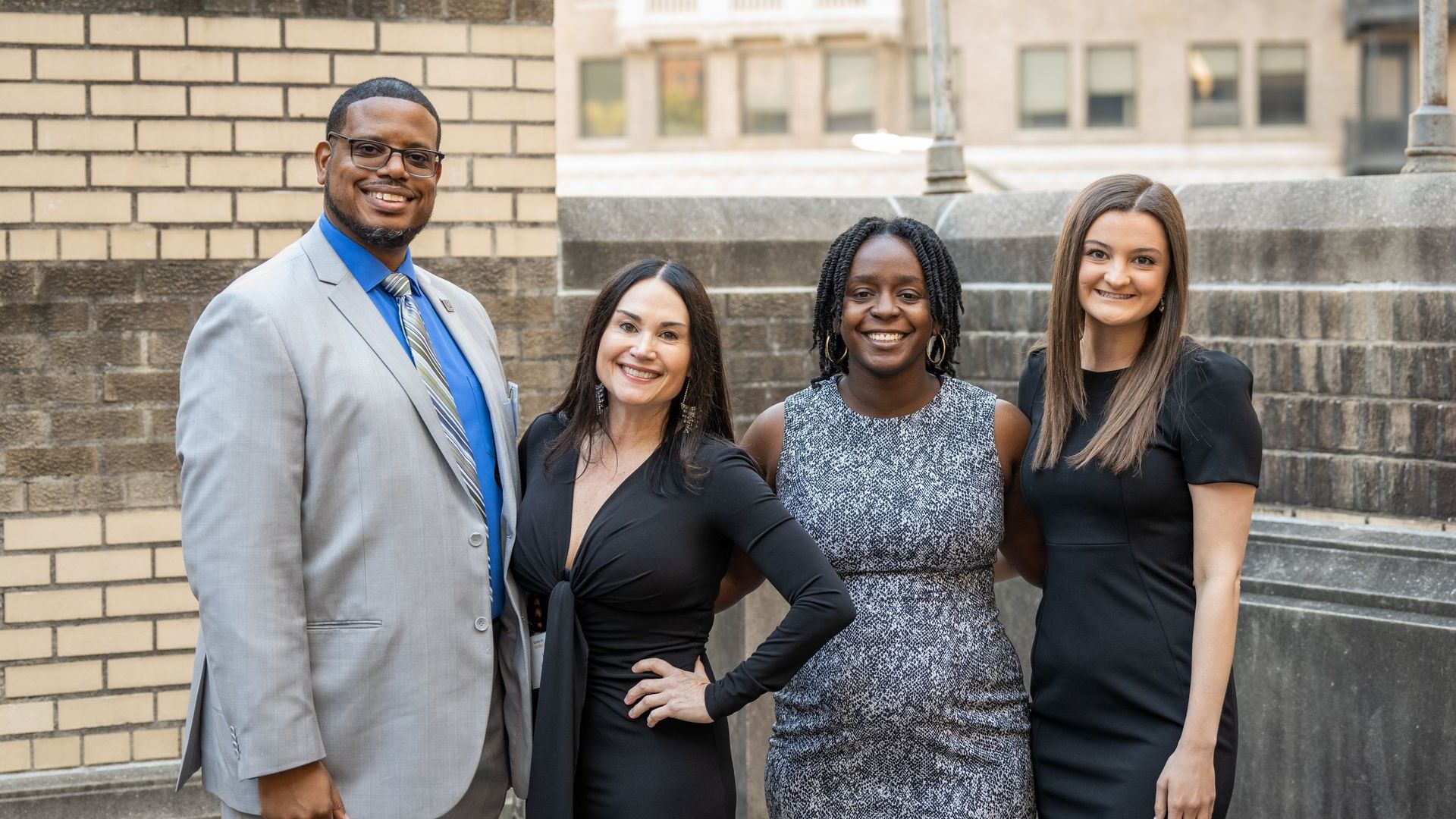
Create an interconnected community of students, educators, researchers and professionals in Georgia
GLS is a proud partner of the U.S. Chamber of Commerce Foundation’s EPIC (Employer Provided Innovation Challenges) Program to Bring “Real-World Innovation Challenges” into Georgia High Schools. Last year's program, led by Georgia Life Sciences Institute's Executive Director, Philip Gibson, welcomed over 60 students in this workforce- and education-oriented effort which aims to develop future biotech talent—exposing students early to regulatory, biomanufacturing, and ag-tech problems, helping build a sustainable pipeline of future scientists, engineers, and innovators.