Georgia Life Sciences' Teacher Training Initiative


Professional Development for Science Teachers


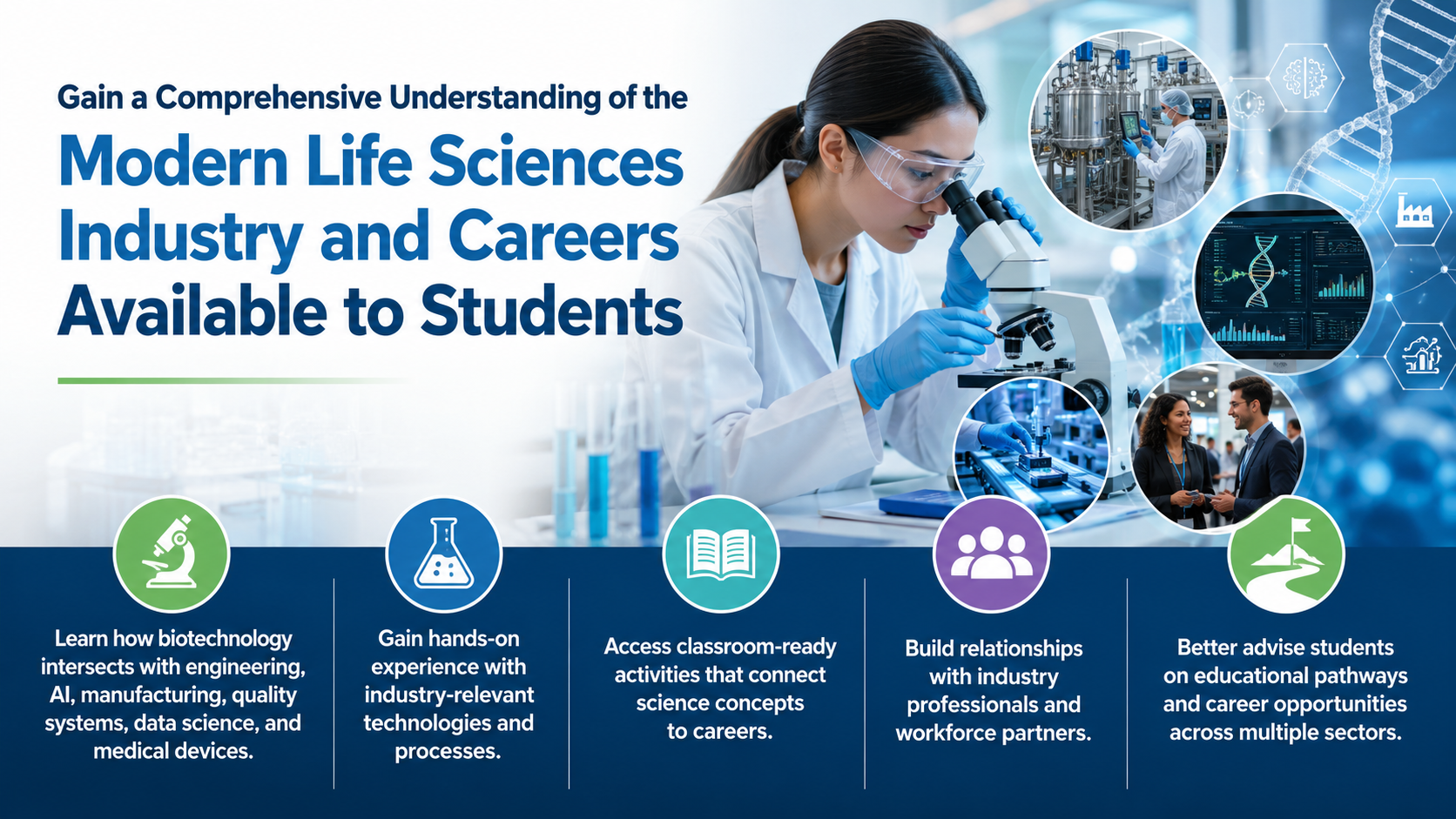
Georgia Life Sciences’ Teacher Training Initiative is no longer simply a teacher training program—it is a workforce development strategy that equips educators to inspire, prepare, and connect students to careers across the full spectrum of the life sciences industry.


The program is designed to help educators understand how life sciences companies operate across multiple sectors and where workforce needs are growing. Through hands-on experiences and direct engagement with industry professionals, participants gain insights into the skills, credentials, and career pathways that Georgia employers are seeking—from laboratory technicians and manufacturing specialists to engineers, data analysts, quality professionals, and regulatory experts.


As Georgia's life sciences ecosystem continues to expand, GLS's Teacher Training Initiative ensures that educators are prepared to develop the talent pipeline that will drive innovation, economic growth, and improved health outcomes for years to come.
Program Impact

  • Exposes educators to the technologies and skills driving today's life sciences industry, including QA/QC, R&D, medtech, AI, automation, and manufacturing).
  • Builds awareness of career opportunities beyond traditional laboratory roles.
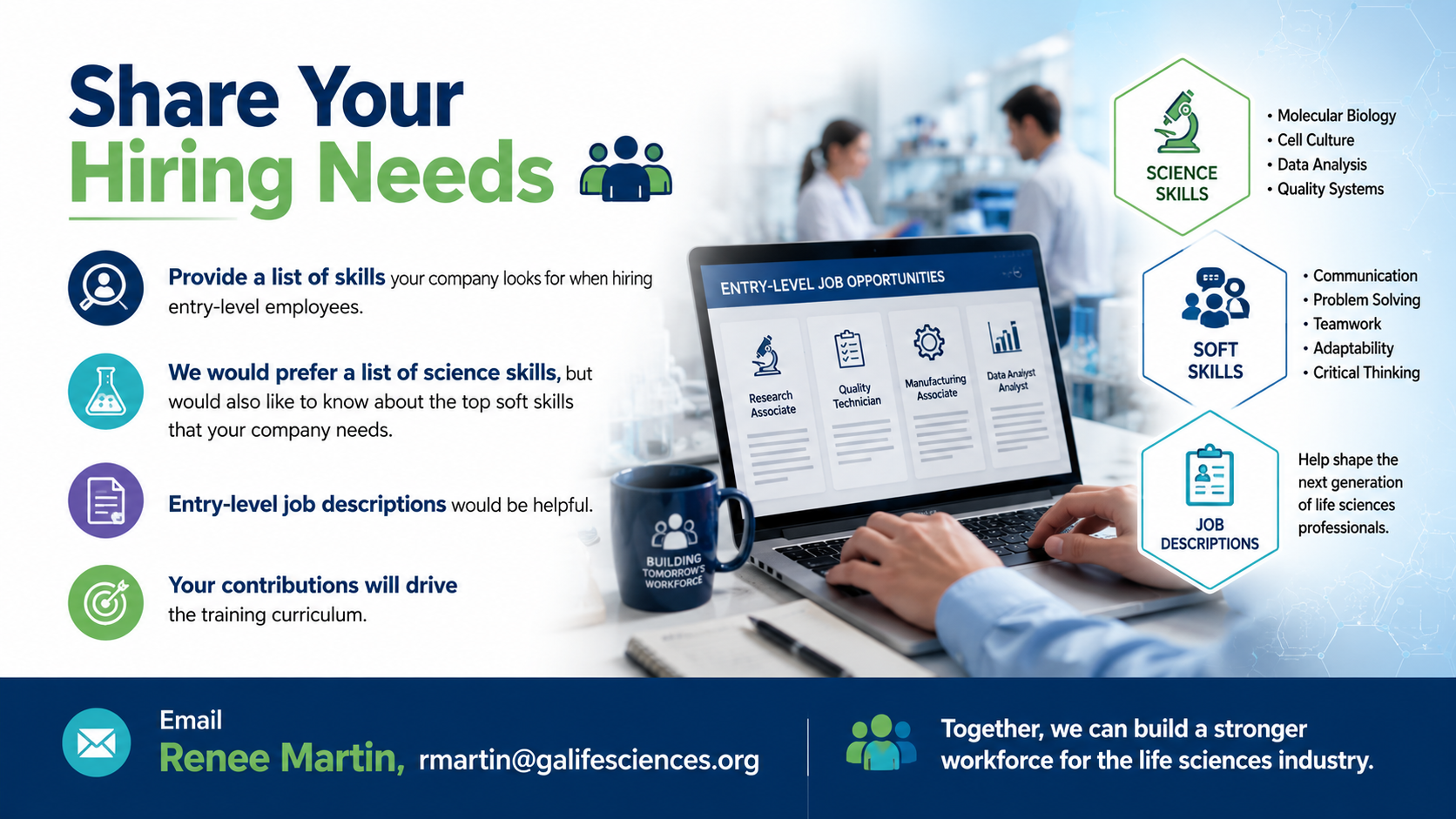
  • Creates opportunities for employers to engage directly with educators and influence workforce development efforts.
  • Strengthens long-term talent attraction and retention by introducing students to industry careers earlier.
  • Aligns K-12 education with current and future workforce needs. 


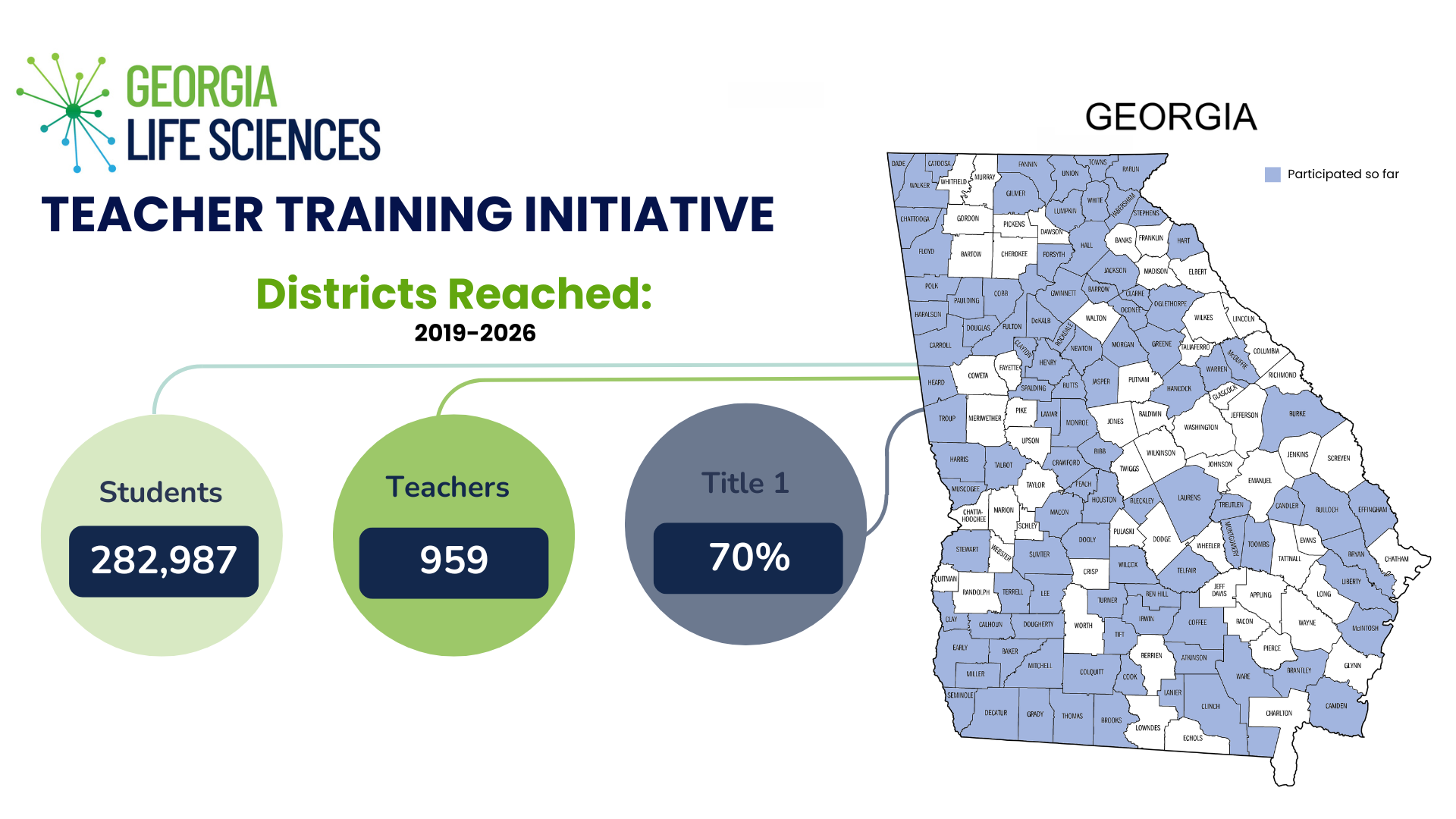
Map of TTI impact by district

Join our mailing list to receive educator-specific news and updates.

For Teachers

For Companies

People shaking hands
quotesArtboard 1 copy 2


“The Teacher Training Initiative has significantly influenced my teaching by increasing my confidence in implementing hands on, inquiry based labs that connect real world science to classroom learning… Students were highly interested in seeing how substances separated and made strong connections to water pollution and environmental sustainability. The hands on nature of the lab encouraged curiosity and deeper understanding.”

Tonie Curry, North Clayton High School (Clayton County), Grades: 9-12