Georgia Life Sciences Educator Connection | June Newsletter
Workforce & Education Impact: Building Georgia's Future
Life Sciences Workforce - One Teacher at a Time
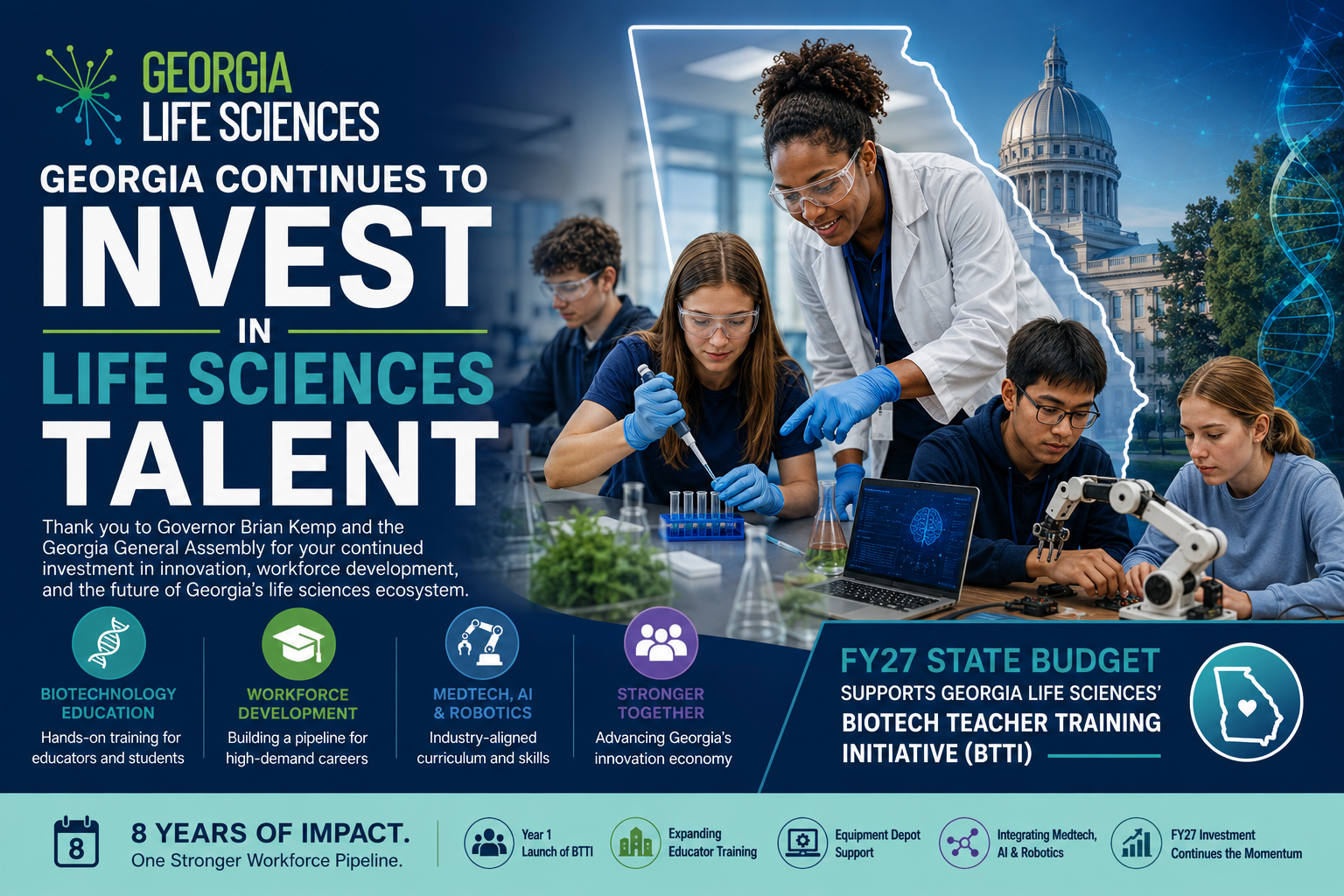
June 16, 2026 - As Georgia Life Sciences concludes the 2025-2026 cycle of the Biotech Teacher Training Initiative (BTTI), the results reinforce the critical role educators play in building the state's future life sciences workforce.
Since July of 2025, BTTI engaged 98 educators representing 40 schools across 23 school systems, reaching an estimated 5,375 students through hands-on biotechnology instruction, career-connected learning, and industry-relevant classroom experiences. The Georgia Life Sciences Equipment Depot further expanded the program's impact by supporting 238 teachers with access to laboratory equipment and materials that make authentic life sciences learning possible.
Georgia Life Sciences is also pleased to report that funding for BTTI was maintained in the Georgia House version of the FY 2027 budget approved earlier this year.
The upcoming 2026-2027 program cycle will mark an important evolution for BTTI. Building on feedback from industry partners and workforce trends across the life sciences sector, Georgia Life Sciences will expand the program's scope to better reflect the skills and competencies employers increasingly need. In addition to foundational biotechnology concepts, future programming will be organized around key industry domains, including Quality Assurance and Quality Control (QA/QC), Research & Development (R&D), MedTech, Artificial Intelligence, Automation, and Advanced Manufacturing. This expanded approach will provide educators with greater insight into the breadth of career opportunities available across Georgia's life sciences ecosystem while helping students develop awareness of the technologies and disciplines shaping the industry's future.
The impact extends far beyond individual workshops, creating lasting connections between Georgia classrooms and the state's growing life sciences ecosystem while helping build the talent pipeline that will power Georgia's future innovation economy.
"Before BTTI, I was hesitant to do biotech labs because they seemed too complex and expensive," shared Josephine Jeganathan of Stockbridge High School. "The program showed me how simplified it can be and provided the equipment and materials needed to successfully implement the Central Dogma Lab with all my classes."
Teachers are also seeing increased student engagement through hands-on learning experiences. Tonie Curry of North Clayton High School used a chromatography lab to connect environmental science concepts to water pollution and sustainability.
"Students were highly interested in seeing how substances separated and made strong connections to water pollution and environmental sustainability," Curry noted. "The hands-on nature of the lab encouraged curiosity and deeper understanding."
For many educators, one of the most valuable aspects of the program is the connection between classroom learning and real-world careers. As Marshai Waiters of Marietta Middle School reflected:
"Exposure is key. There are so many avenues to work in STEM, and they are all accessible with opportunity and knowledge. The insights gained from industry speakers will inform my teaching and create new opportunities for student exposure."
When teachers are trained, equipped, and connected to industry, students gain more than a science lesson—they gain a window into Georgia's life sciences future.
Life Sciences Leadership Training for Biotechnology Educators
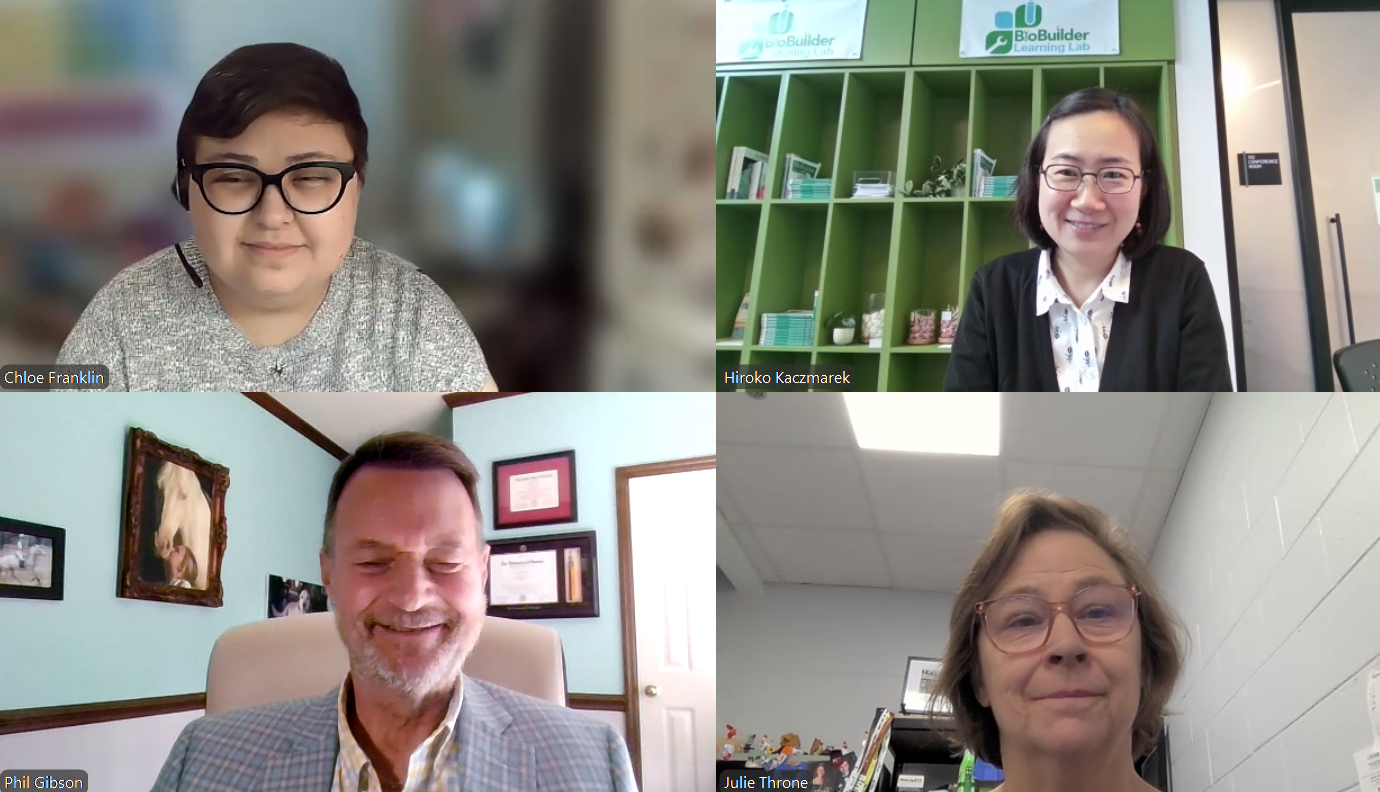
This spring, Georgia Life Sciences hosted an interactive webinar focused on building leadership capacity among biotechnology educators. Industry and education leaders Phil Gibson (Georgia Life Sciences), Chloe Franklin and Hiroko Kaczmarek (BioBuilder Educational Foundation), and Julie Throne (Clarke County School District) shared practical strategies for delivering high-impact biotechnology education across multiple pathways.
The discussion highlighted the critical role educators play in shaping Georgia's future workforce and explored approaches for expanding student engagement in biotechnology and life sciences careers.
Students Tackle Real-World Workforce Challenges Through EPIC
Georgia Life Sciences partnered with three Georgia high schools through the U.S. Chamber Foundation's EPIC program to address real-world workforce challenges facing the life sciences industry.
Student teams from Innovation Academy, Frederick Douglass High School, and the Black Home School Network worked alongside industry mentors to develop solutions related to biomanufacturing automation, medical device development, and sustainable food production.
The program connected students with professionals from Manus Bio, Veranex, Georgia Tech's Georgia Manufacturing Extension Partnership (GaMEP), Blue Heron Urban Farm & Sanctuary, and Old Rucker Farms, providing firsthand exposure to career opportunities across the life sciences ecosystem.
A team from Innovation Academy that developed an AI-powered digital twin solution for automated manufacturing has been selected to represent Georgia at the EPIC National Convening at the U.S. Chamber of Commerce in Washington, D.C. later this month.
Augusta Students Explore Science, Policy, and Global Health
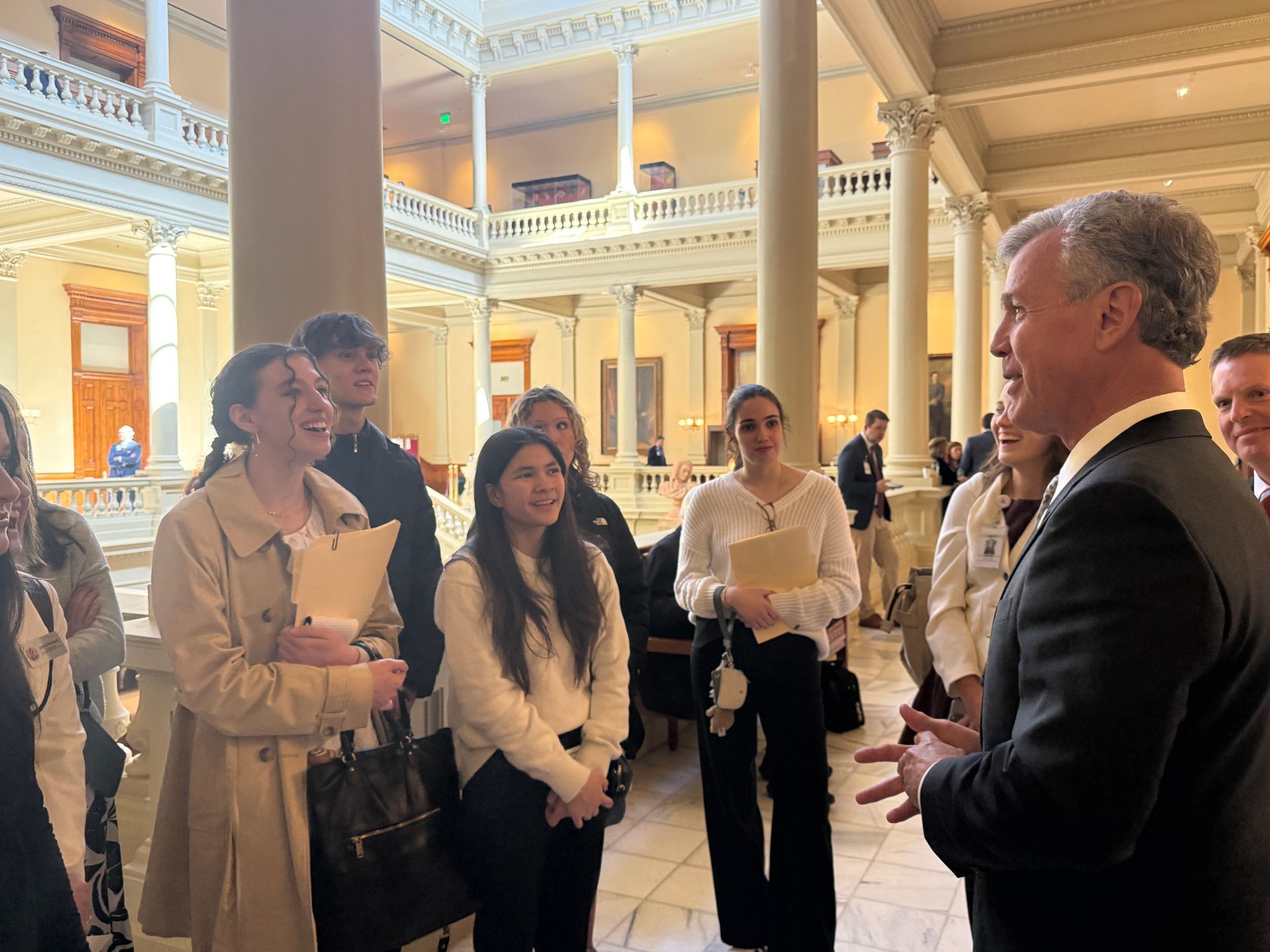
Georgia Life Sciences recently welcomed AP students from Greenbrier High School for an immersive learning experience exploring the intersection of science, public policy, biosciences, and global health.
Students met with Senator Kay Kirkpatrick and Representative Mark Newton, engaged in discussions on ethics and decision-making with Georgia Tech's Aaron Levine, and visited The Carter Center to learn about global health initiatives from Dr. Anyess Travers and Dr. Emma Joyce Bicego.
The experience provided students with a deeper understanding of how scientific discovery, policy decisions, and public health leadership work together to address complex global challenges.
Georgia BioGENEius Challenge Crowns 2026 State Champion
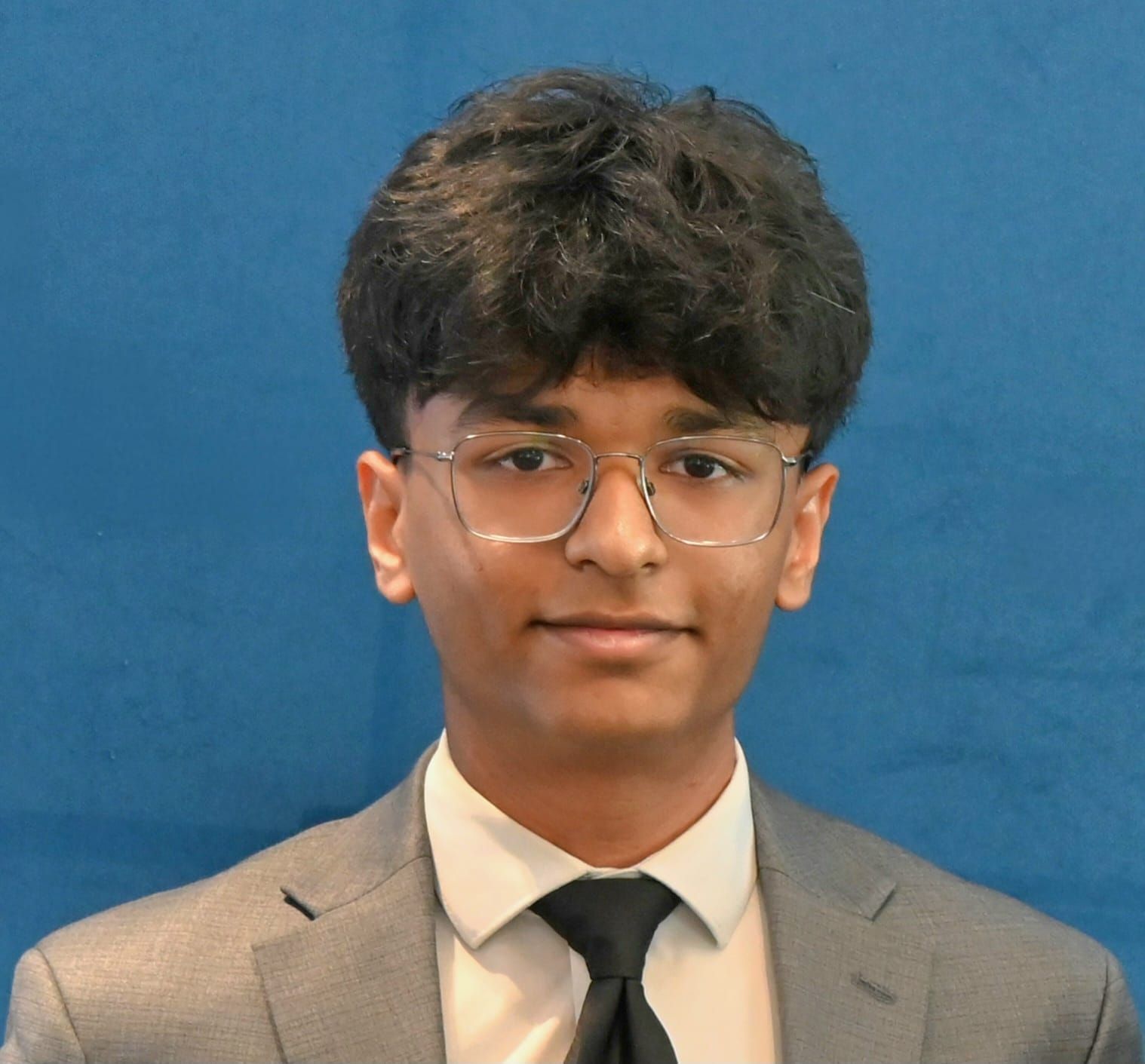
Georgia Life Sciences congratulated Saisurya Lakkimsetti, a junior at Lakeside High School in Columbia County, on being named the winner of the 2026 Georgia BioGENEius Challenge.
Held in conjunction with the Georgia Science and Engineering Fair in Athens, this year's competition featured 47 student researchers from across the state presenting innovative life sciences projects. The BioGENEius Challenge continues to showcase Georgia's emerging scientific talent while encouraging students to pursue research and innovation in the biosciences.
Supporting the Next Generation of Bioengineers
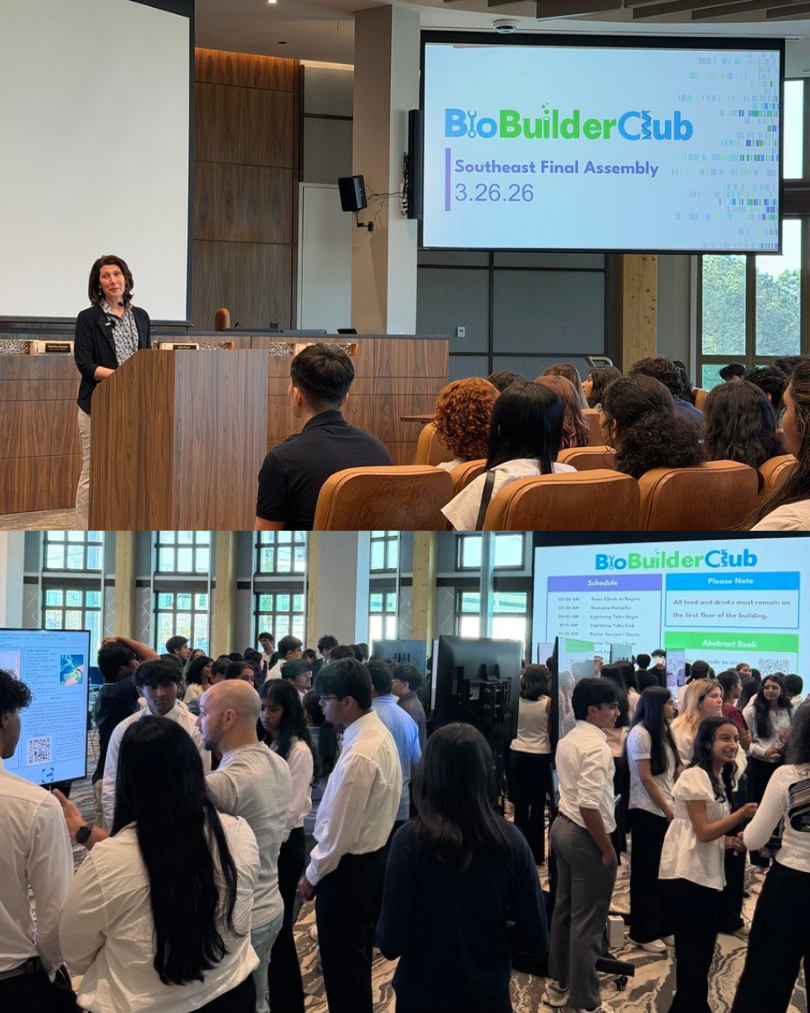
Georgia Life Sciences was proud to support the BioBuilderClub Southeast Student Research Symposium this March at Brookhaven City Centre.
The event brought together student teams from across the Southeast to present original bioengineering projects, demonstrating creativity, technical skills, and innovative thinking. Programs like BioBuilder provide students with valuable opportunities to apply classroom learning to real-world challenges while building interest in future careers in biotechnology and engineering biology.
Teachers Explore the Future of Cell Manufacturing
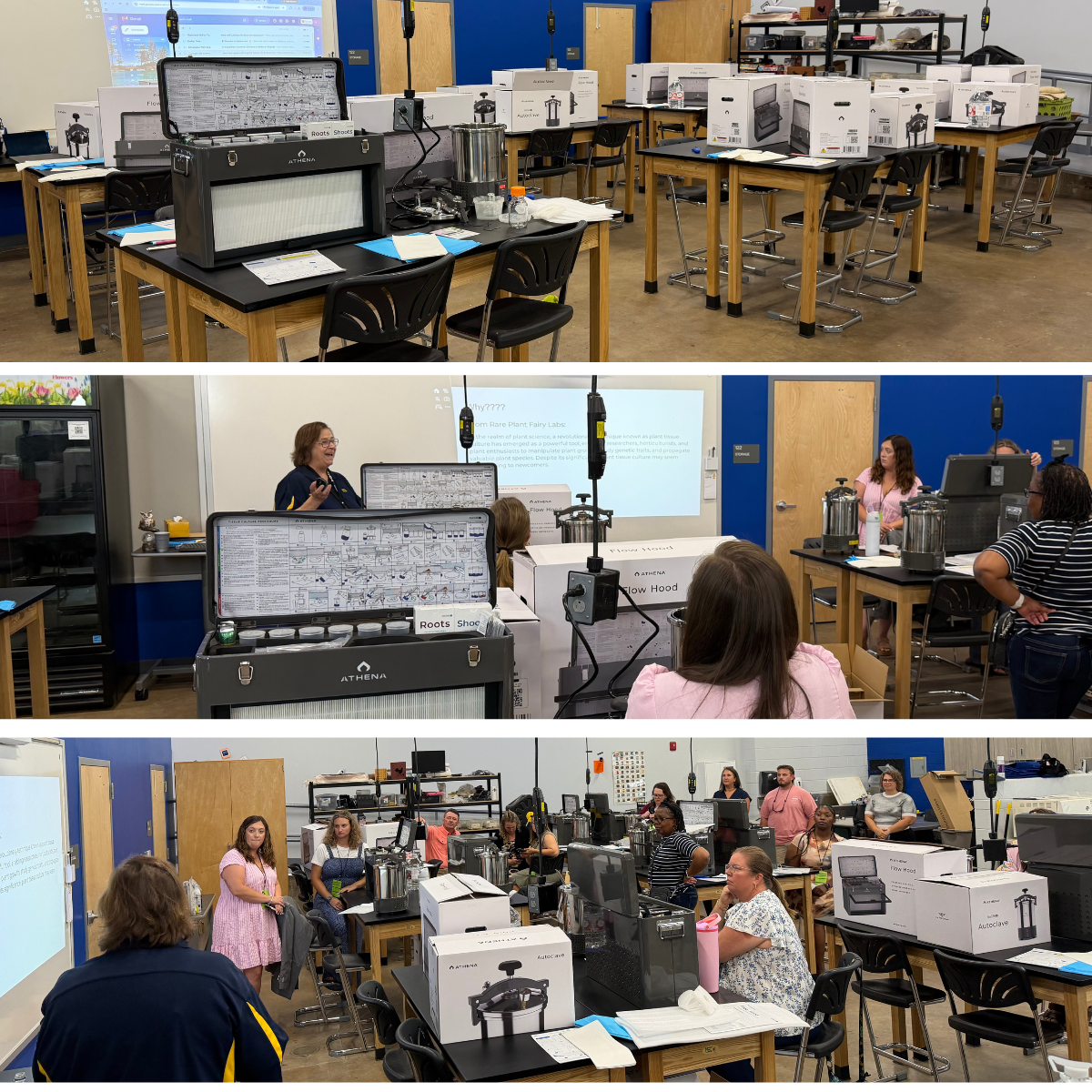
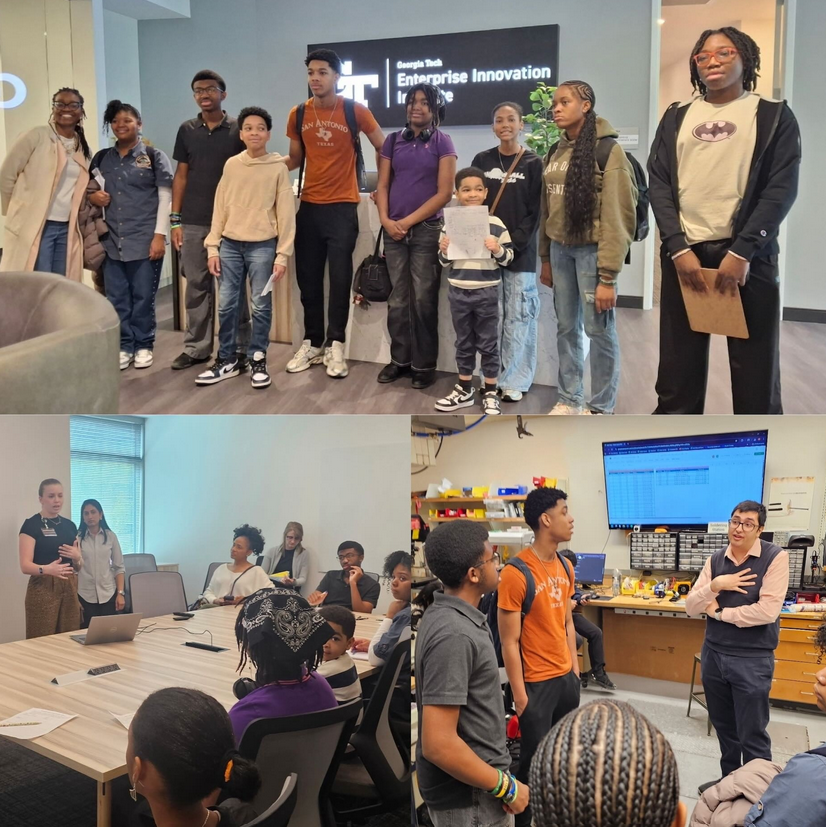
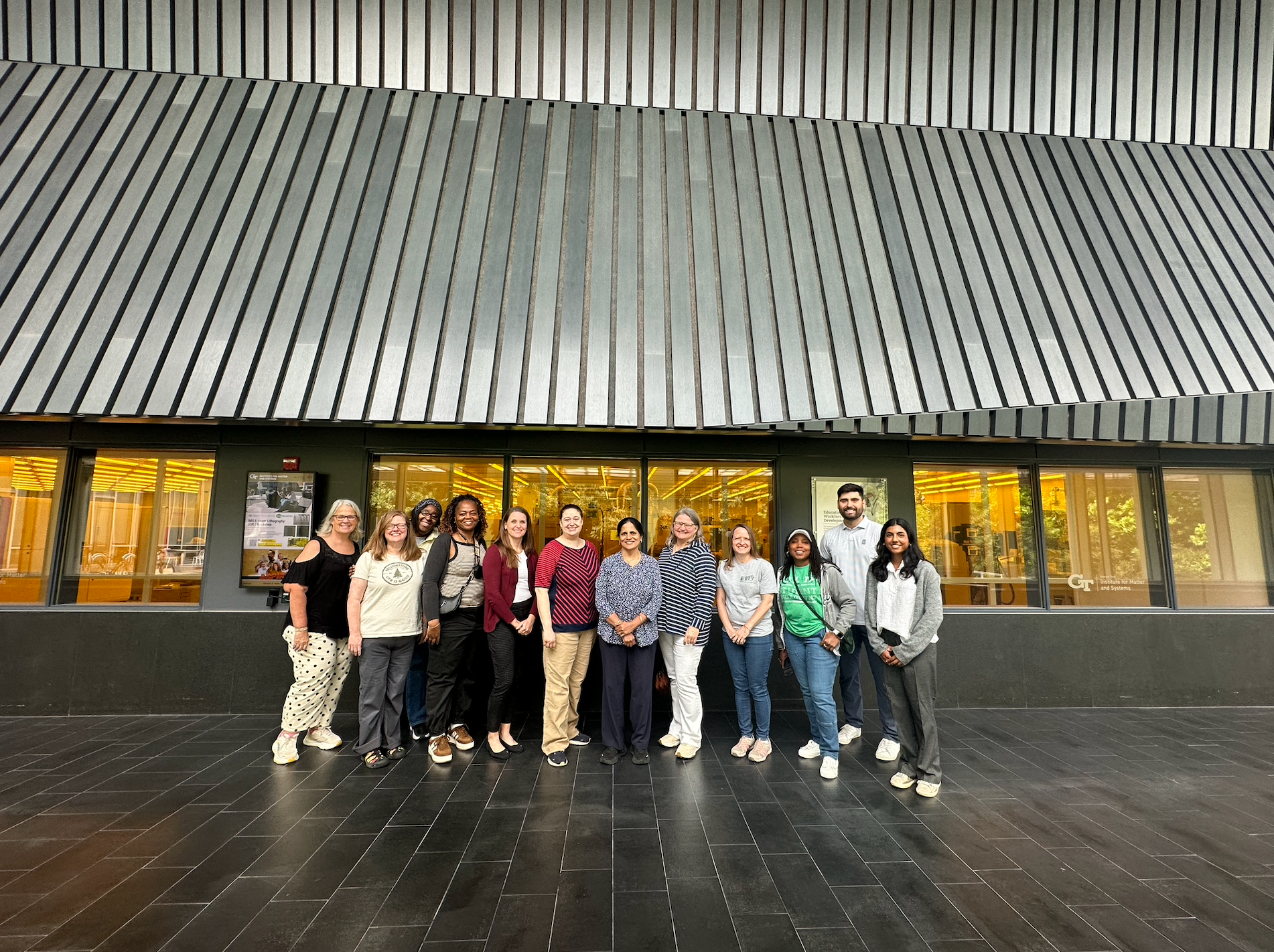
Last week, K-12 educators participated in a specialized Cell Manufacturing Workshop through the Biotechnology Teacher Training Initiative, hosted in partnership with the CMaT Education and Workforce Development Program.
Participants explored emerging cell manufacturing technologies, industry applications, and career pathways through hands-on learning experiences, laboratory tours, and interactive activities led by Drs. Shalu Suri, Johnna Temenoff, and the Georgia Tech team.
As advanced therapies and cell-based technologies continue to transform healthcare, workshops like these help ensure Georgia educators are prepared to introduce students to the skills and careers shaping the future of the life sciences industry.
Georgia's life sciences industry is evolving rapidly, creating demand for talent across biotechnology, medical devices, biomanufacturing, health technology, artificial intelligence, engineering, data science, quality systems, and advanced manufacturing. Today's life sciences workforce requires more than laboratory skills—it requires an understanding of interdisciplinary technologies, regulatory environments, digital tools, and complex production systems.
Georgia Life Sciences’ Biotech Teacher Training Initiative (BTTI) is no longer simply a teacher training program—it is a workforce development strategy aligned with the talent needs of Georgia's life sciences industry.
For school administration and district leaders: GLS strengthens career-connected learning aligned with Georgia's high-growth industries.
For teachers: GLS helps you gain a comprehensive understanding of the modern life sciences industry and the careers available to students.
For industry: GKS helps develop a future-ready talent pipeline across the full life sciences ecosystem.
Are you interested in learning more? Contact Phil Gibson at pgibson@galifesciences.org.