Georgia’s MedTech Momentum: Building on Growth and Strengthening Our Innovation Ecosystem

New Hypepotamus feature explores Georgia’s growing MedTech sector and opportunities to

strengthen startup development, commercialization, and long-term industry growth


Georgia’s life sciences industry is experiencing significant growth, fueled by major investments, expanding research capabilities, and an increasingly connected innovation ecosystem. From biotechnology and medical devices to diagnostics and digital health, the state continues to demonstrate its potential as a destination for life sciences innovation.


As Georgia builds on that momentum, an important opportunity is emerging: ensuring that the startups and technologies developed here have the resources and support to grow, scale, and remain in the state.


A new Hypepotamus feature, “Atlanta’s MedTech Momentum Faces a Test: Can Startups Stay and Scale?”, by Maija Ehlinger, explores this next phase of ecosystem development. Featuring perspectives from entrepreneurs, investors, and industry leaders, including Georgia Life Sciences President & CEO Maria Thacker Goethe, the article examines how Georgia can build on its existing strengths while addressing challenges facing emerging companies.


A Strong Foundation for Continued Growth

Georgia has made substantial progress in establishing itself as a competitive life sciences hub. Recent major investment announcements, including UCB’s planned $2 billion biologics manufacturing facility in Gwinnett County and Shriners Children’s planned investment of more than $153 million in a research institute at Science Square, reflect continued confidence in the state's capabilities and potential.


The state also benefits from a strong network of research universities, healthcare systems, entrepreneurial support organizations, and innovative companies developing technologies that have the potential to improve patient care and advance medical discovery.


Programs and facilities such as Georgia Tech's ATDC, BioSpark Labs, and other regional innovation resources provide important support for emerging companies, helping entrepreneurs move promising ideas toward commercial application.


These assets represent a strong foundation for future growth.


Addressing the Needs of a Maturing Ecosystem

While Georgia's industry continues to advance, emerging MedTech and biotechnology companies face challenges that extend well beyond the state. A changing investment environment, increasingly complex commercialization pathways, and demand for specialized infrastructure are reshaping how early-stage companies develop and grow.


The Hypepotamus article highlights some of these pressures, including the recent closure of Portal Innovations' Atlanta location and the challenges startups encounter in securing affordable laboratory space, early-stage capital, and industry connections.


These developments underscore the importance of strengthening the support systems that enable innovation. They also reflect a broader opportunity for Georgia to build on its progress and ensure that companies at every stage of development can access the resources they need.


“Our biggest opportunity is to become as good at growing and retaining life sciences companies as we are at attracting major investments,” said Thacker Goethe in the article.


A Roadmap for Georgia’s Next Chapter

This focus on growing and retaining innovative companies is central to Georgia Life Sciences' 10-year strategic roadmap, which outlines priorities to strengthen the state's life sciences ecosystem and long-term competitiveness.


The roadmap recognizes that continued industry growth requires a coordinated approach to commercialization, access to capital, specialized infrastructure, workforce development, and partnerships across academia, industry, healthcare, and government.


For early-stage companies, those connections are especially important. Access to research facilities, clinical partners, experienced mentors, investors, and manufacturing resources can make the difference between a promising discovery and a successful commercial enterprise.


Through its industry councils, strategic partnerships, and ecosystem initiatives, Georgia Life Sciences is working to help strengthen these connections and support the development of an environment where companies can succeed at every stage of growth.


Turning Momentum into Long-Term Opportunity

Georgia's life sciences story is one of substantial progress and considerable opportunity. The next chapter will require building on that success with the same intentionality that has helped attract major industry investments and expand the state's research and innovation capabilities.


That means continuing to support companies choosing Georgia for major investments while also strengthening the pathways that allow homegrown businesses to develop, commercialize, and scale here.


The goal is not simply to attract life sciences innovation to Georgia, but to ensure Georgia is a place where innovation can take root, grow, and thrive.


The Hypepotamus feature offers a timely perspective on the opportunities ahead and the importance of continued collaboration across Georgia's life sciences community.

Read the Full Hypepotamus Article 

October 28, 2026
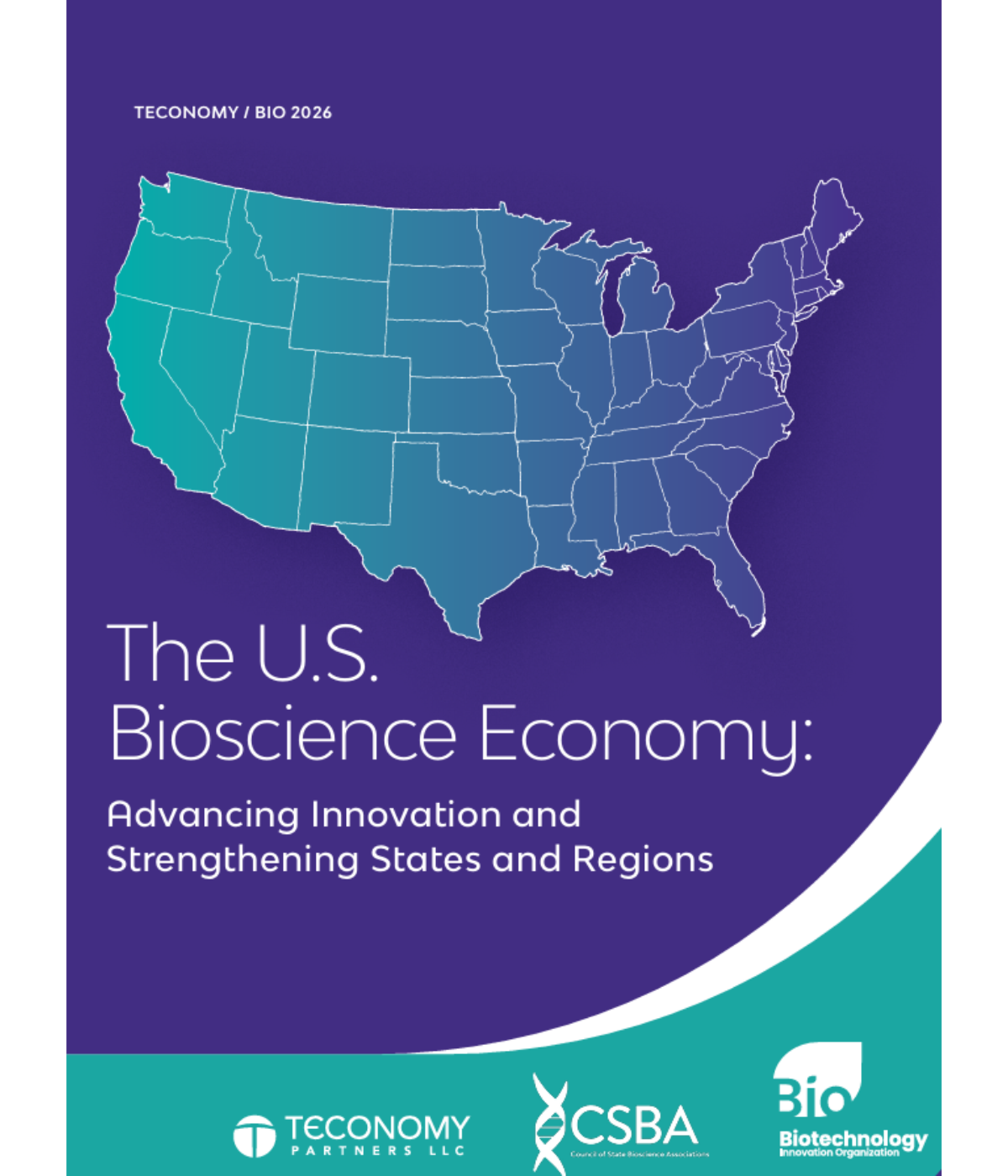
New national report highlights Georgia’s growing bioscience workforce, research enterprise, and investment activity October 28— Georgia’s bioscience industry continues to expand its economic footprint, supporting 42,605 jobs across 4,281 business establishments statewide in 2025, according to a new report examining the economic impact of the U.S. bioscience industry. The U.S. Bioscience Economy: Advancing Innovation and Strengthening States and Regions, published by the Biotechnology Innovation Organization (BIO), the Council of State Bioscience Associations, and TEConomy Partners, provides a comprehensive assessment of the bioscience industry’s contributions to employment, wages, business growth, university research and development, and access to capital across all 50 states, Washington, D.C., and Puerto Rico. Georgia’s bioscience employment grew 7.6% between 2021 and 2025, slightly outpacing national growth. The state recorded employment gains across all five major bioscience industry subsectors, demonstrating the breadth of its life sciences economy. “Georgia’s bioscience industry is an important contributor to our state’s economic competitiveness, creating high-quality jobs and advancing research and innovation,” said Maria Thacker Goethe, President and CEO of Georgia Life Sciences. “These findings underscore the opportunity to build on Georgia’s strengths by strengthening connections among research institutions, industry, investors, and workforce partners to help more life sciences companies innovate and grow here.” Georgia’s Bioscience Industry: Key Findings The report highlights several indicators of Georgia’s bioscience industry strength: 42,605 jobs: Georgia’s bioscience industry employed more than 42,000 people in 2025, with employment growing 7.6% from 2021 to 2025. 4,281 business establishments: Bioscience companies and related businesses operate across the state, contributing to Georgia’s diverse economic base. $112,712 in average annual wages: Bioscience industry wages exceeded Georgia’s private-sector average by 52%, highlighting the sector’s contribution to high-value employment. $2.0 billion in university bioscience research: Georgia universities conducted $2.0 billion in bioscience-related research and development in fiscal year 2024. $789.5 million in NIH funding: Georgia institutions received $789.5 million in National Institutes of Health funding in fiscal year 2025. $1.5 billion in venture capital investment: Georgia bioscience companies attracted $1.5 billion in venture capital from 2021 through 2025. Georgia’s bioscience distribution subsector, the state’s largest, expanded employment by 10.3% during the period. Agricultural feedstock and industrial biosciences recorded the fastest percentage growth, reflecting the breadth of activity across the state’s bioscience economy. National Industry Impact Nationally, the U.S. bioscience industry generated $3.19 trillion in total economic output and directly employed 2.31 million Americans across more than 156,000 business establishments. The report examines the industry's economic footprint and the factors that support its continued growth, including research investment, workforce development, and access to capital. Building on Georgia’s Life Sciences Momentum The findings highlight Georgia’s substantial research enterprise, established industry base, and ability to attract investment. Continued growth will depend on strengthening the connections that help translate scientific discoveries into commercial opportunities, expand access to capital, develop a skilled workforce, and provide the infrastructure companies need to scale. Georgia Life Sciences works to advance the state’s life sciences ecosystem through policy and advocacy, workforce development, industry convening, and strategic collaboration. Its statewide roadmap, Pathways & Partnerships: A Roadmap for Georgia’s Life Sciences Sector, outlines a long-term vision for positioning Georgia as a leading scale-up manufacturing hub in the Southeast. “Georgia has significant assets across research, manufacturing, workforce, and logistics,” Goethe said. “By coordinating these strengths and addressing the gaps that can limit company growth, we can create more opportunities for innovation, investment, and long-term economic impact across the state.” Read the Report The full report, The U.S. Bioscience Economy: Advancing Innovation and Strengthening States and Regions, and Georgia’s state-specific profile are available from the Biotechnology Innovation Organization. Explore the national report and findings Download Georgia’s state profile (PDF)
October 22, 2026
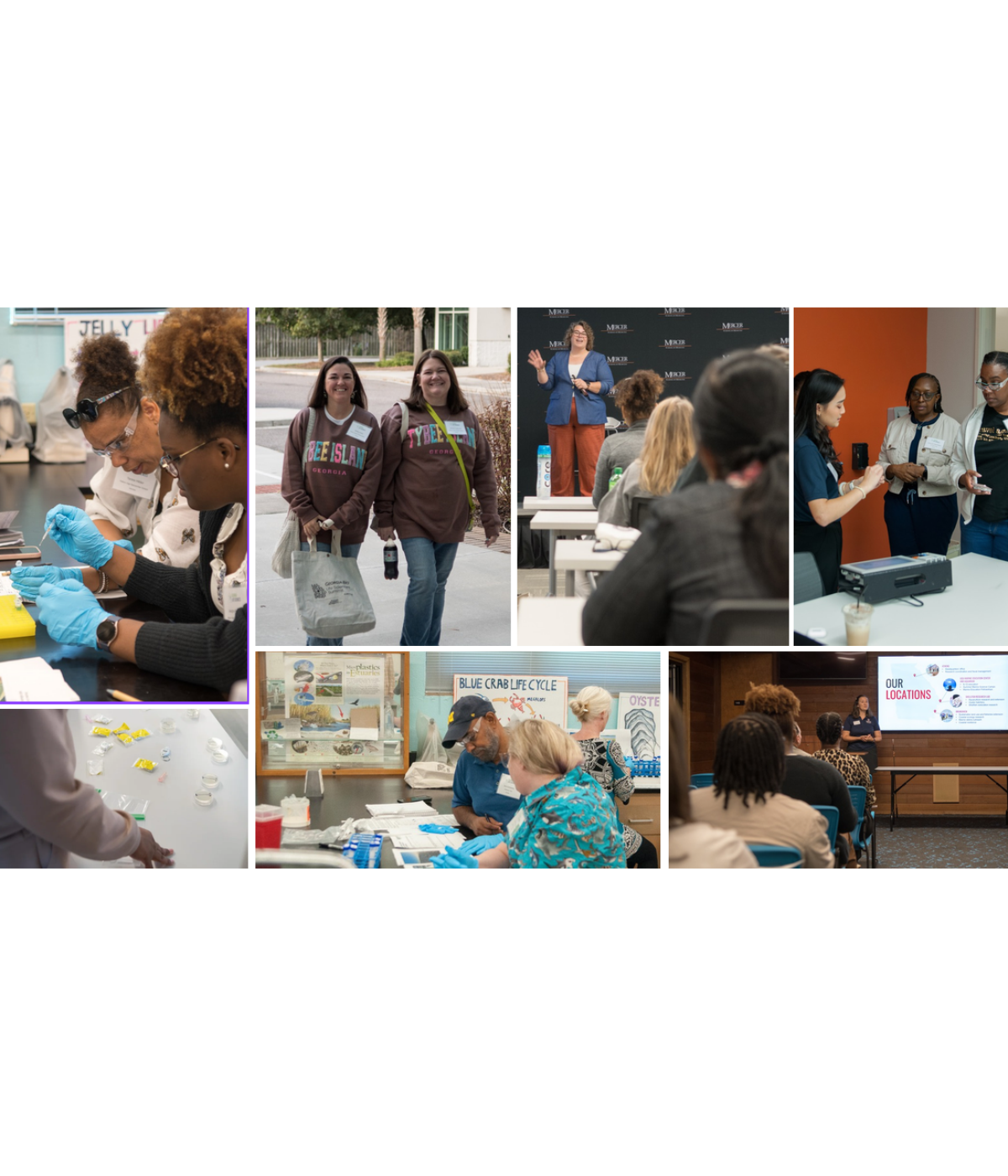
Georgia Life Sciences connected 23 educators with hands-on STEM learning and industry experts at its Savannah workshop to strengthen the workforce pipeline.
October 22, 2026
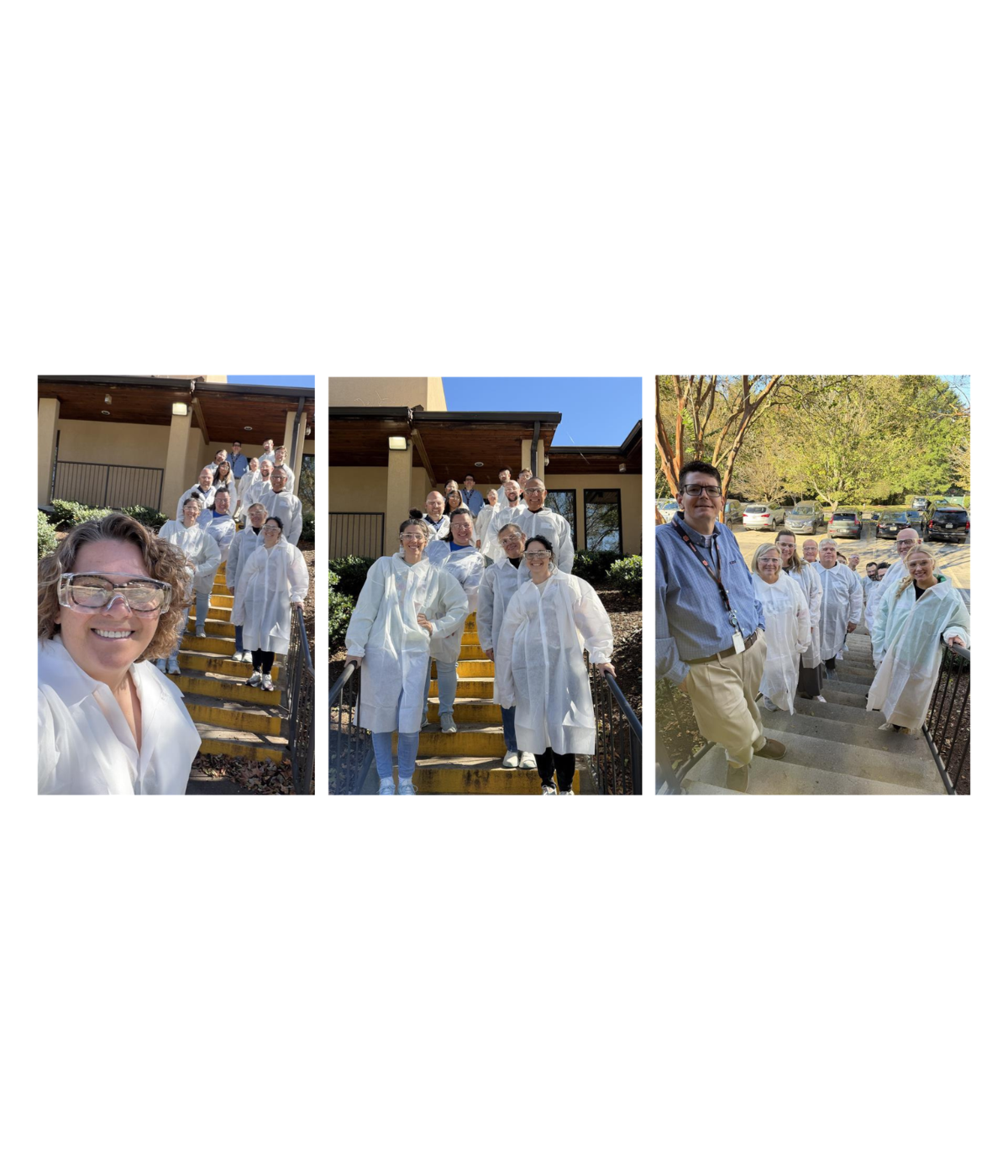
Georgia Life Sciences Institute connects 23 chemistry teachers with industry professionals to bring real-world career opportunities into the classroom. The Georgia Life Sciences Institute (GLSI) recently organized an industry visit for 23 Forsyth County chemistry teachers to Bend Bioscience in Gainesville, Georgia, offering educators a firsthand look at the careers, skills, and opportunities available within the state's growing life sciences sector. During the visit, teachers engaged directly with Bend Bioscience employees, toured the facility, and explored how concepts taught in chemistry classrooms translate into real-world applications. Conversations focused on workforce needs, career pathways, and the combination of technical and professional skills that help employees succeed in the life sciences industry. A particular area of interest was Quality Assurance and Quality Control (QA/QC), functions essential to maintaining the quality, safety, and consistency of life sciences products. These discussions helped educators better understand the range of careers available to students, including opportunities beyond traditional research and laboratory roles. The experience also demonstrated the impact of connecting educators directly with industry. Several participating teachers shared that the visit inspired them to discuss life sciences career opportunities with their own children, illustrating how greater career awareness can extend beyond the classroom. Both the educators and Bend Bioscience team expressed interest in continued engagement, reinforcing the value of building stronger connections between Georgia's schools and life sciences employers. Connecting Education and Industry Through initiatives like this visit, GLSI works to bridge the gap between education and industry by giving teachers direct exposure to the companies, technologies, and careers shaping Georgia's life sciences ecosystem. By equipping educators with firsthand industry knowledge, GLSI helps bring greater career awareness and real-world relevance into classrooms across the state, introducing students to pathways they may not have previously considered. Georgia Life Sciences Institute extends its appreciation to Bend Bioscience for welcoming Forsyth County educators and investing time in the teachers who help prepare Georgia's future workforce. Together, these partnerships are helping build awareness of the diverse opportunities available in Georgia's life sciences industry and strengthen the state's future talent pipeline.
MORE POSTS