From Classroom to Industry: Forsyth County Teachers Explore Careers at Bend Bioscience
Georgia Life Sciences Institute connects 23 chemistry teachers with industry professionals to bring real-world career opportunities into the classroom.


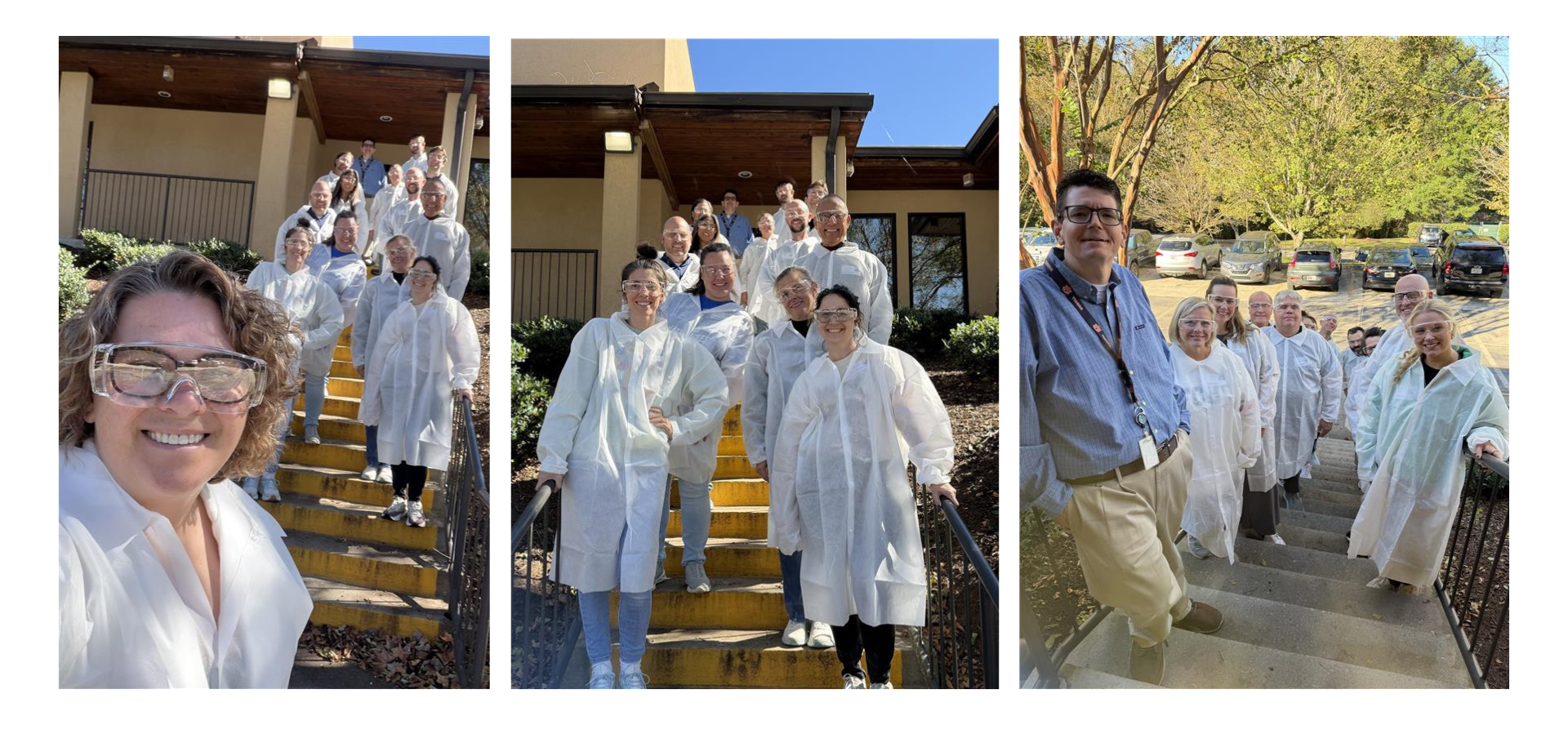
The Georgia Life Sciences Institute (GLSI) recently organized an industry visit for 23 Forsyth County chemistry teachers to Bend Bioscience in Gainesville, Georgia, offering educators a firsthand look at the careers, skills, and opportunities available within the state's growing life sciences sector.


During the visit, teachers engaged directly with Bend Bioscience employees, toured the facility, and explored how concepts taught in chemistry classrooms translate into real-world applications. Conversations focused on workforce needs, career pathways, and the combination of technical and professional skills that help employees succeed in the life sciences industry.


A particular area of interest was Quality Assurance and Quality Control (QA/QC), functions essential to maintaining the quality, safety, and consistency of life sciences products. These discussions helped educators better understand the range of careers available to students, including opportunities beyond traditional research and laboratory roles.


The experience also demonstrated the impact of connecting educators directly with industry. Several participating teachers shared that the visit inspired them to discuss life sciences career opportunities with their own children, illustrating how greater career awareness can extend beyond the classroom.


Both the educators and Bend Bioscience team expressed interest in continued engagement, reinforcing the value of building stronger connections between Georgia's schools and life sciences employers.


Connecting Education and Industry

Through initiatives like this visit, GLSI works to bridge the gap between education and industry by giving teachers direct exposure to the companies, technologies, and careers shaping Georgia's life sciences ecosystem.


By equipping educators with firsthand industry knowledge, GLSI helps bring greater career awareness and real-world relevance into classrooms across the state, introducing students to pathways they may not have previously considered.


Georgia Life Sciences Institute extends its appreciation to Bend Bioscience for welcoming Forsyth County educators and investing time in the teachers who help prepare Georgia's future workforce.


Together, these partnerships are helping build awareness of the diverse opportunities available in Georgia's life sciences industry and strengthen the state's future talent pipeline.


October 20, 2026
J.P. Morgan Healthcare Week is one of the most business-forward weeks of the year for the life sciences industry—a time when companies, investors, strategic partners, and industry leaders come together to build relationships, explore investment opportunities, and advance innovation. GLS is helping our community make the most of the week with opportunities to connect, partner, and engage with the broader life sciences investment community. Here are a few events and member benefits to add to your calendar. State Bio Friends Kickoff 2027 📅 January 10 | 4:00–7:00 PM 📍 The Marker San Francisco 🎟️ To request a registration code, contact Stacey Bowlin at sbowlin@galifesciences.org . RESI JPM 2027 GLS is proud to partner with Life Science Nation to offer our community $300 off registration for RESI JPM 2027 . RESI JPM connects early-stage life sciences companies with investors, strategic partners, and industry leaders through networking, partnering, and programming focused on advancing innovation and investment. 📍 In person: January 11–12 | San Francisco Marriott Marquis 📅 Virtual partnering: January 13, 18, and 19 🎟️ Please use code GABIO to r eceive $300 off registration Biotech Showcase GLS is pleased to partner with Biotech Showcase to help connect our community with this important industry gathering. Taking place January 11-13, Biotech Showcase is a premier investor conference for private and emerging publicly traded biotech companies, bringing together innovators and investors to explore partnerships and financing opportunities. 📅 January 11–13 📍Hilton San Francisco Union Square 🎟️ Please use cod e supGALS2027 to receive $200 off registration Fierce JPM Week 📅 January 12–13 📍 Hyatt Regency San Francisco 🎟️ Secure your pass We encourage our members and partners to take advantage of these opportunities and represent Georgia’s growing life sciences community on the national stage. We look forward to connecting with you in San Francisco!
October 15, 2026
As pharmaceutical and biotechnology companies expand U.S. manufacturing operations, a growing demand for specialized talent underscores the importance of industry-driven workforce development. October 16, 2026 | Georgia Life Sciences The United States is experiencing a resurgence in domestic manufacturing investment, with pharmaceutical and biotechnology companies announcing major expansions and new production facilities. But as investment accelerates, a critical challenge is emerging: ensuring that a skilled workforce is available to support this growth. According to a Deloitte and The Manufacturing Institute study , approximately 3.8 million manufacturing positions could need to be filled nationwide through 2033 , with as many as 1.9 million potentially remaining unfilled due to workforce and skills gaps. While these projections span the broader manufacturing sector, the implications for life sciences are significant. Biomanufacturing's Growing Talent Challenge A recent PharmaVoice article examines how pharmaceutical companies are responding to growing competition for skilled workers, particularly in specialized roles such as automation engineering, quality assurance, regulatory affairs, process engineering, and manufacturing operations. These positions are essential to bringing new facilities online, maintaining regulatory compliance, and ensuring safe, reliable production. The challenge extends beyond competition among pharmaceutical manufacturers. Life sciences companies are increasingly competing with industries such as semiconductors, aerospace, energy, and advanced manufacturing for workers with similar technical skills. Some companies are responding by investing directly in regional education and training partnerships. Eli Lilly, for example, recently committed $15 million to San Jacinto College in Texas, including $12.5 million dedicated to workforce training, alongside a major manufacturing expansion in the Houston area. The message is increasingly clear: Workforce planning must begin alongside facility planning, not after construction is complete. What This Means for Georgia Georgia has an opportunity to build on its growing biomanufacturing presence, established industry base, research universities, and technical education infrastructure. However, continued success will depend on ensuring that workforce development keeps pace with industry investment. As manufacturing technologies evolve, employers will need workers with expertise in automation, digital systems, quality control, and advanced production processes. Traditional education pathways alone may not be sufficient to meet these changing needs. That makes stronger collaboration among employers, educational institutions, workforce organizations, and policymakers increasingly important. Through its Manufacturing Council, Georgia Life Sciences is working to strengthen industry engagement and better understand employers' evolving workforce needs. These conversations help identify opportunities to align education and training with the skills companies need today and anticipate those they will require tomorrow. The Georgia Life Sciences Institute also supports the long-term talent pipeline through education and workforce initiatives designed to introduce students and educators to life sciences careers and strengthen connections between education and industry. Looking Ahead: Talent as a Competitive Advantage As states compete to attract life sciences investment, workforce readiness will increasingly influence where companies choose to expand and how successfully those investments translate into long-term economic growth. For Georgia, the opportunity is not simply to attract new facilities but to build the talent ecosystem necessary to sustain them. That requires earlier employer engagement, flexible training models, stronger industry-education partnerships, and continued attention to emerging technologies that are changing the nature of manufacturing work. The next chapter of biomanufacturing growth will be defined not only by where companies invest, but by where they can find, develop, and retain the talent needed to succeed. Related Reading Deloitte: Taking Charge — Manufacturers Support Growth With Active Workforce Strategies PharmaVoice: Pharma's Manufacturing Boom Has a Workforce Problem
October 5, 2026
Georgia Life Sciences has submitted written comments to the Georgia House Study Committee on Pharmacy Benefits Managers and Consumers’ Access to Prescription Medications, encouraging greater transparency, accountability, and a focus on measurable patient benefit across the prescription drug system. The comments address both pharmacy benefit manager practices and the federal 340B Drug Pricing Program, emphasizing the importance of understanding where prescription drug savings accrue and whether those savings ultimately benefit patients. The Study Committee continues its work this fall as it develops recommendations for the Georgia General Assembly. Read Georgia Life Sciences’ full comments →
MORE POSTS