New Fellowships Established in Honor of Neuroscience Institute Founding Director

AUGUST 22, 2023

ATLANTA—Georgia State has established the new Wilczynski-Georgia Research Alliance Future Faculty Fellows in Neuroscience. The fellowships will support a cohort of three high-caliber postdoctoral students in Neuroscience with the goal of attracting and retaining exceptionally promising talent.
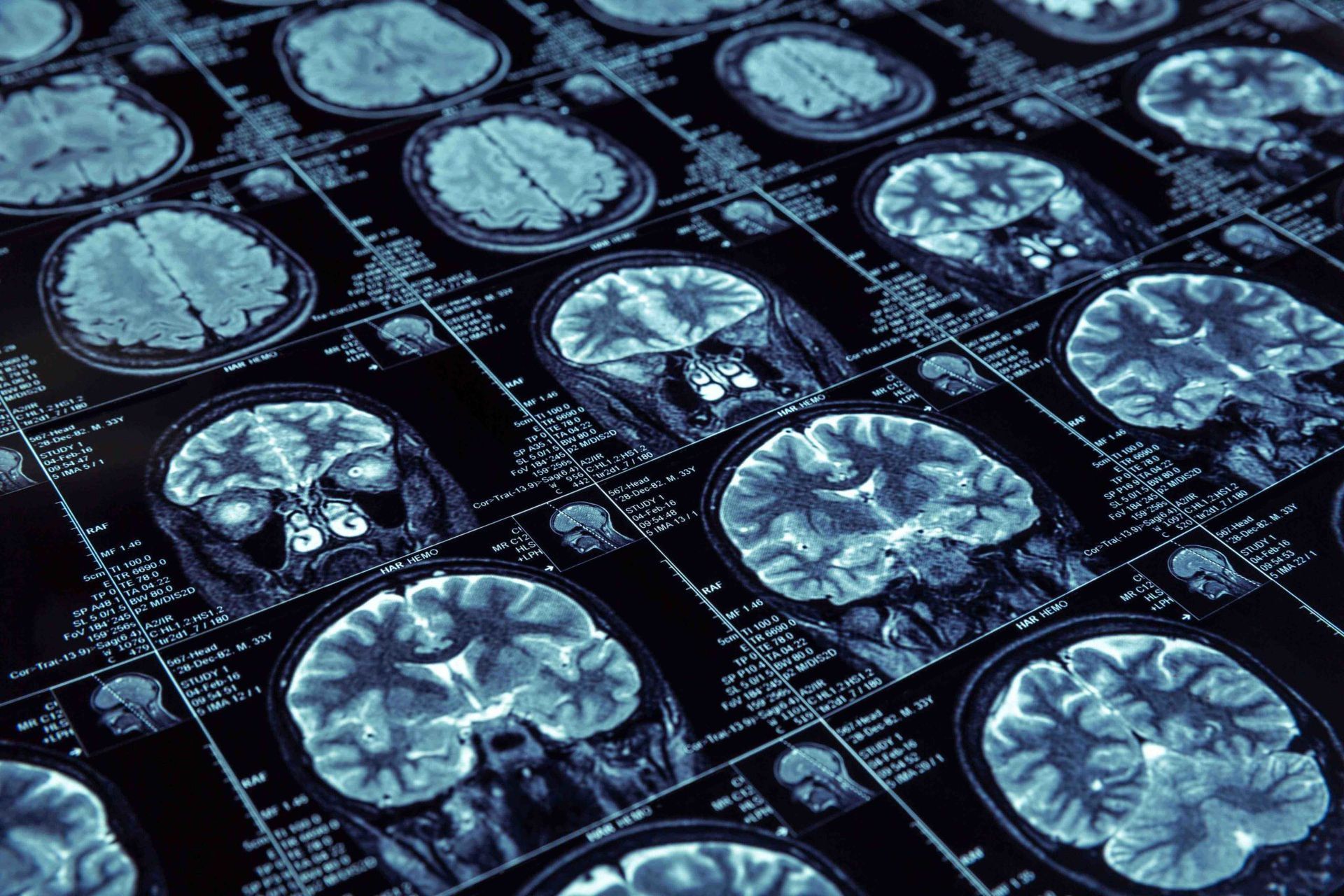
A series of brain scans

The collaborative project is funded by an endowed gift in memory of Dr. Walter Wilczynski, the Founding Director of the  Neuroscience Institute.

“We intend these fellowships to champion a culture of inclusion and serve to expand diversity in the field of neuroscience” said Dr. Deborah Greene, whose philanthropy initiated the program.

Additional support will come from the  Georgia Research Alliance , a public-private partnership that promotes new scientific discoveries and economic growth, as well as the  GSU Research Foundation , the  College of Arts & Sciences , the  Center for Behavioral Neuroscience  and the Neuroscience Institute.

“Georgia State’s research enterprise continues to grow by leaps and bounds, and these new fellowships will bring in top-notch neuroscientists to help us continue our growth and impact,” said Dr. Tim Denning, Vice President for Research and Economic Development at Georgia State. “It’s also a wonderful testament to the work of Dr. Wilczynski.”

Wilczynski became the Founding Director of the Neuroscience Institute at Georgia State in 2008, serving in the role for six years before returning to teaching and research. He was a mentor to numerous undergraduate and graduate students, and postdoctoral research fellows.

The Wilczynski-Georgia Research Alliance Fellows will pursue research in strategically selected areas that capitalize on the strengths in the Neuroscience community at Georgia State and leverage the university’s intellectual and infrastructural resources.

“The College of Arts & Sciences is excited to launch this post-doctoral program,” said Dr. Sara Rosen, Dean of the college. “The program will provide a premier research experience to train and develop the next generation of researchers in neuroscience.”

“We are excited to welcome and support new neuroscience scholars to our vibrant research community with the goal of retaining exceptional talent for years of service to the Georgia State student base,” said Dr. Daniel N. Cox, Director of the Neuroscience Institute.

Potential home appointments for the postdoctoral fellows include the Neuroscience Institute, the Center for Behavioral Neuroscience and the Center for Translational Research in Neuroimaging and Data Sciences.

The fellowships will have a three-year term of support with funds for operating expenses and professional development as well as a footprint of laboratory space for building a research program.

“Neurologists are in short supply, yet more undergraduates are interested in studying neuroscience. These two trends underscore the importance of neuroscience faculty,” said Susan Shows, President and CEO of the Georgia Research Alliance. “The Wilczynski Future Faculty Fellows program will make a meaningful contribution to developing neuroscience faculty by bringing new talent to a strong program at Georgia State. The program is a big win for Georgia.”

Source: https://news.gsu.edu/2023/08/22/new-fellowships-established-in-honor-of-neuroscience-institute-founding-director/
April 4, 2026
April 2, 2026- WASHINGTON, D.C. – John F. Crowley, President and CEO of the Biotechnology Innovation Organization (BIO) , released the following statement on Section 232 Pharmaceutical Proclamation. “A thriving American biotechnology ecosystem is essential to growing the U.S. economy, strengthening national security, and improving the health and well‑being of everyday Americans. While we appreciate the Administration’s recognition of the need for tariff exemptions for certain critical biotech products, the reality is that any tariffs on America’s medicines will raise costs, impede domestic manufacturing, and delay the development of new treatments - all while doing nothing to enhance our national security. “U.S. biotech companies have been eager to expand investments here at home, but tariffs, along with an uncertain policy environment and efforts to force “most‑favored nation” schemes, work directly against that goal. The risks are especially acute for small and mid‑size biotech companies, which develop more than half of all FDA‑approved medicines yet often lack the capital to build dedicated manufacturing facilities as they weather an industry defined by high costs, long development timelines, and significant risk. “The fact is: tariffs divert scarce resources away from research and development, weaken American biotech against China’s rising industry, and ultimately, harm health and economic wellbeing of Americans. “We stand ready to work with the Administration on a long‑term strategy that encourages biotechnology investment, reduces the time, cost, and uncertainty of developing new medicines, expands U.S. biomanufacturing capacity, and ensures American innovation is fairly valued overseas. Tariffs and MFN are not the answer." Source - https://www.bio.org/press-release/bio-statement-section-232-pharmaceutical-proclamation
April 1, 2026
Atlanta, GA (April 1, 2026) – Georgia Life Sciences (GLS) is proud to announce that Saisurya Lakkimsetti, a junior at Lakeside High School in Columbia County, has been named the winner of the 2026 Georgia BioGENEius Challenge. The Georgia BioGENEius Challenge took place, as part of the statewide Georgia Science and Engineering Fair (GSEF) at the Classic Center in Athens, Georgia. Forty-seven students from across Georgia competed for this year’s title and cash prize. Jaehyeon Lee, an 11th-grade student from Walton High School, was named runner-up in this year’s competition. The Georgia BioGENEius Challenge recognizes outstanding high school students who are conducting innovative biotechnology research with real-world applications. This year’s top projects, presented in the Global Healthcare Challenge track, demonstrated exceptional scientific rigor and forward-thinking potential in addressing critical healthcare challenges. Saisurya’s research focuses on identifying potential inhibitors for Endocan, a protein known to play a role in glioblastoma tumor growth. Using advanced computational modeling techniques—including AlphaFold and molecular docking tools—she screened thousands of small molecules to identify compounds that may block tumor-promoting signaling pathways. Her work identified several promising candidates that could serve as a foundation for future drug development targeting glioblastoma. Jaehyeon’s project investigates how varying glucose concentrations affect regeneration in planaria, modeling impaired wound healing in diabetic conditions. By testing graded glucose environments and measuring regeneration indicators such as growth and differentiation, Jaehyeon demonstrated that lower glucose levels enhance regeneration while higher levels inhibit healing. The study establishes a model to better understand hyperglycemia’s impact on diabetic wound healing. “The work by these students is a powerful example of the innovation and determination we see in Georgia’s next generation of life sciences leaders,” said Maria Thacker Goethe, President and CEO of Georgia Life Sciences. “The BioGENEius Challenge is critical because it provides students with a platform to apply cutting-edge science to real-world problems, while also strengthening the future workforce that will drive breakthroughs in healthcare, biotechnology, and beyond.” The Georgia BioGENEius Challenge is part of Georgia Life Sciences’ broader commitment to advancing workforce development and fostering innovation across the state’s rapidly growing life sciences ecosystem. Judging the 2026 Georgia BioGENEius Challenge: Ian Biggs; Ralph Cordell, CDC; Alex Harvey, ViaMune; Jamie Graham, Smith Gambrell Russell; and Evan Scullin, LuminiSci.
March 24, 2026
Georgia Life Sciences is thrilled to be featured in the very first Atlanta edition of Inside Medicine . This inaugural issue represents something truly special. Atlanta’s healthcare and life sciences community is driven by innovation, collaboration, and outstanding leadership—and we’re honored to be part of this exciting launch. Also in the issue, GLS's Kennedy Dumas is featured, sharing her journey on how observation and research evolved into a powerful practice of journaling. As the founder of Stationery Black, she creates notebooks designed to showcase, uplift, and inspire people of color. Read the full article here.
MORE POSTS