2024 Life Science Career Fairs in Georgia

Georgia Bio has compiled the following list of career fairs. Companies are encouraged to participate.
Visit the school website for more information.
Georgia College and State University
- Part-Time Job Fair | 08/28/2024 1 p.m. - 3 p.m | Georgia College & State University inside the Magnolia Ballroom.
- Fall 2024 Nursing Recruitment Fair | 09/09/2024 | 11 am - 1 pm | Georgia College & State University inside the Magnolia Ballroom.
- Fall Career and Graduate School Fair | 10/2/24 | 10:30 am - 2:30 pm | Centennial Centre on the campus of Georgia College & State University
- UGA Part-Time Job & Internship Fair 2024 08/21/24 | Tate Student Center, Grand Hall - 5th floor
- UGA Fall Career & Internship Fair 2024 | 09/23/24 | Classic Center
- UGA Fall Engineering & Computer Science Career & Internship Fair 2024 09/24/24 | Classic Center
- UGA Agricultural and Environmental Career and Internship Fair 2024 | 10/2/24 Tate Student Center, Grand Hall, 5th Floor
- Fall 2024 Georgia Tech All-Majors Career Fair 09/09/24 & 09/10/24 10 am - 4 pm | Campus Recreation Center (CRC)
- Fall 2024 Materials Science & Engineering Career Fair 09/10/24 5 pm - 8 pm | Klaus Advanced Computing Building Atrium
- Fall 2024 College of Computing Career Fair 09/11/24 9:30 am - 3:30 pm Campus Recreation Center (CRC)
- Fall 2024 Supply Chain Day Career Fair 09/12/24 10 am - 2 pm Georgia Tech Exhibition Hall
- Fall 2024 Electrical & Computer Engineering (ECE) Career Fair 09/13/24 10 am - 4 pm Klaus Advanced Computing Building
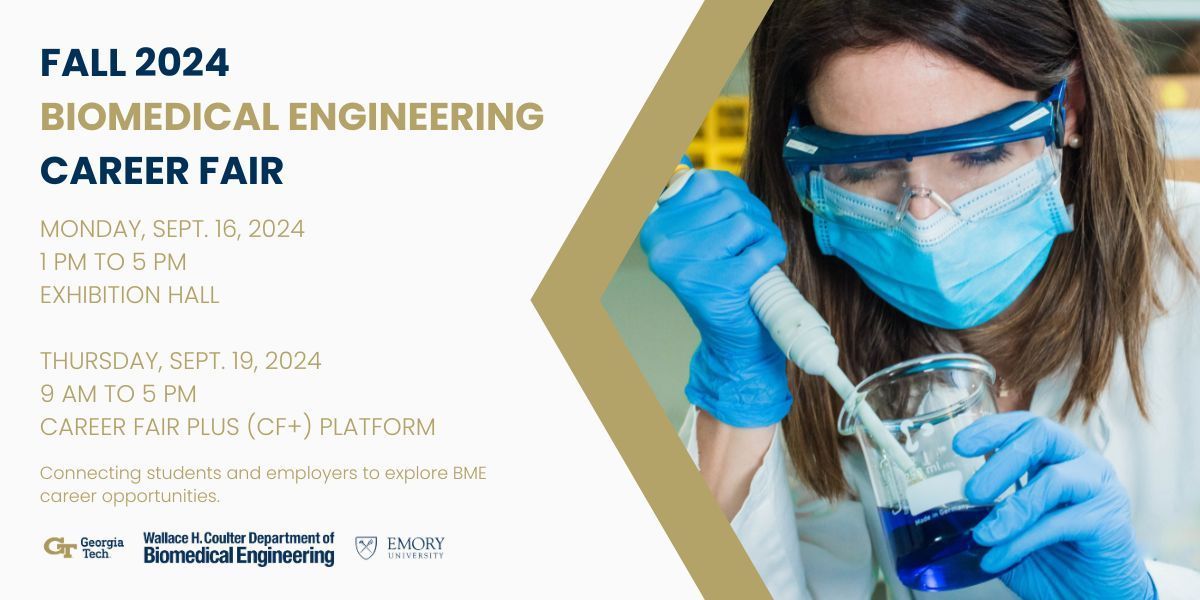
- Fall 2024 Biomedical Engineering Career Fair (In-Person) 09/16/24 1 pm - 5 pm Exhibition Hall
- Fall 2024 IISE (ISYE) Career Fair 09/16/24 9 am - 3:30 pm McCamish Pavilion
- ASME/ME 2024 Fall Career Fair 09/17/24 9 am - 3 pm Exhibition Hall
- STEM Networking Night 09/16/24 5 pm - 7:30 pm Russell Union (Statesboro campus)
- Fall 2024 D-1 (technical) 09/17/24 11 am - 3 pm RAC (Statesboro campus)
- Fall 2024 D-2 (technical & non technical) 09/18/24 11 am - 3 pm RAC (Statesboro campus)
- UNG Fall 2024 Gainesville Part-Time Job and Internship Fair 08/20/24 11 am - 1 pm Gainesville campus
- UNG Fall 2024 Dahlonega All-Majors Career Fair 09/05/24 12 pm - 3 pm
- UNG Fall 2024 Gainesville All-Majors Career Fair 09/25/24 3 pm - 6 pm
- 24-25 Student Employment Job Fair 08/30/24 11 am - 3 pm Atlanta, Georgia
- Fall 2024 Career & Internship Expo 09/19/24 9 am - 2:30 pm 605 Asbury Circle, Atlanta Georgia 30322
- Fall 2024 Post-Grad Pathways Fair 10/17/24 11 am - 2 pm 605 Asbury Circle, Atlanta Georgia 30322
- GACE College to Career Fair 11 am - 3 pm Atlanta, Georgia
- Campus Student Employment Fair 08/22/24 2 pm - 4 pm Roscoe Williams Ballroom
- 2024 Fall STEM Job, Co-op, & Internship Fair: Sept. 24-26, 2024
- All majors Fall Job & Internship Fair | 10/15/24 - 10/16/24 | 11 am - 3 pm Siegel Recreation and Activities Center (Kennesaw Campus)
Career Connections Career Fair: Nov.. 7 | 10am-2pm
ALETE Career Fair 08/01/24 | 4 pm - 6 pm | Carrollton Campus
Part Time job Fair 08/21/24 10 am - 1 pm Fall Career Fair
Fall Career Fair | 09/26/24 | 9 am - 4 pm | Hper-Gym, East Campus
- Student Part-Time Job Fair | 08/13/24 | 10 am - 2 pm | Main Street, University Center
- Internship Nonprofit Job Fair | 09/12/24 | 10 am - 1 pm | Main Street, University Center
- 2024 AUCC Career Fair In Partnership With The UNCF Empowerment Tour
- 09/20/24 | 1 pm - 6 pm | 230 Ted Turner Drive Northwest, Atlanta, Georgia 30303, United States
- 2024 AUCC Career Fair-CAU ATTENDANCE | 09/20/24| 1 pm - 6 pm | 230 John Portman Drive
- 22nd Annual Atlanta University Center Health Professional School Recruitment Fair | 02/27/25 | 10 am - 4:30 pm | 223 James P Brawley Drive Southwest, Atlanta, Georgia 30314, United States
- Nursing & Allied Health Virtual Career Fair | 08/21/24 | 11 am - 3 pm Virtual
- Public Health Virtual Fair | 09/24/24 11 am - 3 pm Virtual
- Exploring Grad School Virtual Fair 09/26/24 11 am - 3 pm Virtual
- Government & Nonprofit Virtual Fair 10/03/24 11 am - 3 pm Virtual
- Sustainability & Environmental Virtual Career Fair 10/15/24 11 am - 3 pm Virtual
- Cybersecurity & Technology Virtual Career Fair 10/16/24 11 am - 3 pm Virtual
- Women in Business & Technology Virtual Career Fair 10/17/24 11 am - 3 pm Virtual
- Food and Agricultural Science Virtual Fair 10/22/24 11 am - 3 pm Virtual
If you are interested in posting your career fair please email admin@gabio.org.
GLS President & CEO joins state legislators from across the country to examine the intersection of drug pricing, patient access and life sciences innovation. Georgia Life Sciences (GLS) continues to elevate Georgia’s voice in national healthcare and life sciences policy discussions, with President & CEO Maria Thacker-Goethe participating as a featured panelist at the Women In Government 2026 Leadership & Innovation Summit, held November 17–20 in Savannah, Georgia. The summit brings together women state legislators and policy leaders from across the country to explore pressing policy issues and share perspectives as they prepare for their 2027 legislative sessions. Thacker-Goethe joins a panel titled Examining the Long-Term Impact of Most Favored Nation (MFN) Drug Pricing Policies on Patients, Providers & Biopharmaceutical Companies, alongside Sharon Lamberton , Deputy Vice President of State Policy & External Outreach at PhRMA , and Kathy Oubre , CEO of Pontchartrain Cancer Center . The discussion is moderated by Oklahoma State Representative Cindy Roe . Representing the state life sciences ecosystem perspective, Thacker-Goethe will explore the broader implications of drug pricing policies, including their potential impact on: Research, development and the commercialization of new treatments Biopharmaceutical manufacturing and capital investment Job creation, workforce development and state economic competitiveness Patient access to innovative medicines and future therapies As policymakers seek to address healthcare affordability, GLS believes it is essential to consider the interconnected nature of healthcare policy, scientific innovation and economic development. Participation in this national forum reflects GLS’s ongoing commitment to bipartisan policymaker education, constructive advocacy and ensuring that the life sciences industry has a meaningful voice in shaping public policy. As Georgia and other states prepare for their 2027 legislative sessions, GLS remains committed to serving as a trusted resource for policymakers and fostering a policy environment that supports patients, innovation and economic growth. Learn more about the Women In Government 2026 Leadership & Innovation Summit . Read more about MFN from BIO: Simplify the System .
CEO Note: A New Political Landscape, A Continued Commitment to Georgia Life Sciences Georgia's 2026 election results mark a historic shift in the state's political landscape, setting the stage for a new administration, new statewide leadership, and a potentially changed balance of power in the General Assembly as we approach the 2027 legislative session. At the national level, Democrats won control of both chambers of Congress , creating a new dynamic for federal policymaking. With the presidency remaining under Republican leadership, the coming years will require bipartisan cooperation to advance legislation. Changes in congressional leadership and committee oversight could significantly affect healthcare, federal research funding, FDA policy, drug pricing, and patient access. The most significant changes for our industry, however, are happening here in Georgia. Keisha Lance Bottoms' victory in the gubernatorial race marks a historic transition in state leadership, ending more than two decades of Republican control of the Governor's Office. She will also become the first Black woman elected governor in U.S. history. Democrats also swept Georgia's statewide executive offices , including lieutenant governor, attorney general, secretary of state, and the commissioners responsible for agriculture, labor, and insurance. These leadership changes create new opportunities for engagement on the policies and investments that shape Georgia's economy. In the General Assembly, Democrats made substantial gains and appear positioned to take control of the Georgia House of Representatives , pending final results in several close races. Republicans retained a narrowed majority in the State Senate. This potentially divided legislative environment will require thoughtful engagement and collaboration across party lines. We can also expect considerable turnover in the General Assembly, with dozens of new legislators beginning their terms in January. Along with a new Governor and incoming administration, this creates an important opportunity to introduce policymakers to Georgia's life sciences industry, its economic contributions, and its potential for future growth. What Does This Mean for Georgia's Life Sciences Industry? Life sciences is an economic development priority that should transcend party lines. Our industry's growth depends on a combination of sound public policy, private investment, research, workforce development, infrastructure, and a business environment that encourages innovation and commercialization. As Georgia establishes its new leadership priorities, several areas will be particularly important: Economic Development and Manufacturing: Positioning Georgia to attract and retain biopharmaceutical, biotechnology, and MedTech companies while advancing the infrastructure and capabilities needed to support scale-up manufacturing. Research and Commercialization: Strengthening connections between Georgia's research institutions, emerging companies, investors, and industry partners to move discoveries from the laboratory into commercial applications. Workforce Development: Expanding investment in technical education, apprenticeships, and industry-aligned training to prepare Georgians for the growing range of life sciences careers. Capital and Investment: Improving access to capital and supporting programs that help Georgia-based companies grow, commercialize technologies, and remain competitive. Healthcare Innovation and Patient Access: Supporting an environment that encourages medical innovation, advances research, and improves patient access to new treatments and technologies. These priorities align directly with Pathways & Partnerships: A Roadmap for Georgia's Life Sciences Sector , our ten-year strategy to position Georgia as a leading scale-up manufacturing hub in the Southeast. Georgia enters this transition with both an opportunity and a clear need to strengthen its competitiveness in life sciences. The recently released BIO/TEConomy report highlights the industry's significant contributions, including more than 42,600 jobs across over 4,200 establishments, while reinforcing the opportunity for Georgia to accelerate growth relative to other states. Our Roadmap provides a foundation for working with policymakers to turn these opportunities into sustained investment, stronger industry partnerships, and high-quality jobs throughout Georgia. GLS's Role Moving Forward For Georgia Life Sciences, this transition reinforces the importance of our role as the industry's statewide voice and convener. We will be intentional about building relationships with the incoming administration, new legislative leadership, returning legislators, and state agencies. We must ensure that policymakers understand not only the healthcare implications of our industry, but also its broader economic impact: high-quality jobs, significant research investment, advanced manufacturing, innovation, and opportunities for communities across Georgia. At the federal level, we will continue working with our national partners and Georgia's congressional delegation to advocate for policies that sustain research and innovation, support a predictable regulatory environment, strengthen American biomanufacturing, and advance patient access. With a new administration and many new legislators, we have an opportunity to establish a stronger understanding of what it takes to build and sustain a competitive life sciences ecosystem. That means bringing industry leaders to the table, communicating our priorities, identifying areas of bipartisan alignment, and advocating for policies that support long-term growth. Our industry's success requires a long-term commitment that extends beyond any election cycle or administration. The political landscape may change, but our commitment to advancing Georgia's life sciences industry remains constant. We look forward to working with leaders on both sides of the aisle to ensure Georgia continues to be a place where life sciences companies can innovate, invest, manufacture, and grow.
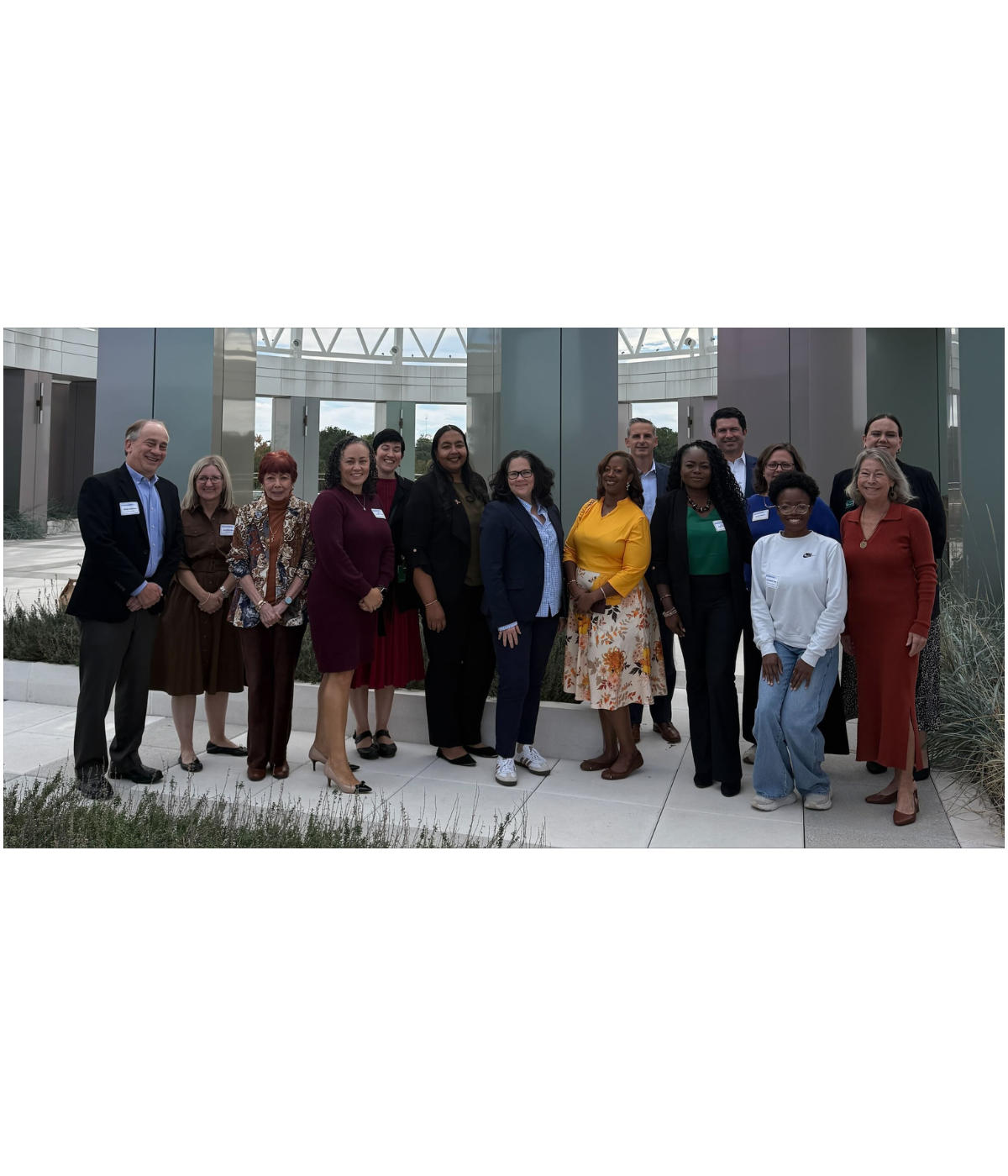
For Georgians living with serious and rare diseases, how quickly and predictably a new treatment moves through U.S. Food and Drug Administration (FDA) review can make a real difference. That predictability also matters to the researchers and businesses that make up Georgia’s growing life sciences sector. Both depend in large part on the Prescription Drug User Fee Act (PDUFA), a longstanding bipartisan program that Congress needs to reauthorize by 2027. How PDUFA Works Since 1992, PDUFA has allowed the FDA to collect user fees from biopharmaceutical companies to supplement the agency’s resources for reviewing new medicines. In exchange, the FDA commits to clear, predictable review timelines. The agency’s standards for safety and efficacy remain unchanged. By providing additional resources and establishing clear performance goals, PDUFA helps ensure patients can access new treatments in a more timely and predictable manner. The result of PDUFA have been significant. Before PDUFA, FDA reviews often took more than two years. Today, the median review time is 10 months for standard applications and 8 months for priority applications. In 2025, nearly 70% of new medicines were approved in the U.S. before any other country. What’s at Stake in 2027 Congress reauthorizes PDUFA every five years. The current agreement, PDUFA VII, expires September 30, 2027. Timely reauthorization is critical to maintaining the FDA’s review capacity, preserving regulatory predictability, and ensuring patients continue to benefit from medical innovation. Georgia stakeholders recently came together to talk through what that means here at home. On October 28, Georgia Life Sciences, the MTS Sickle Cell Foundation, and Georgia First hosted “PDUFA: How Medicines Reach People,” a lunch-and-learn at Brookhaven City Centre. Patient advocates, congressional staff, and business and academic leaders heard from Nick Magallanes of Todd Strategy Group, Natalie Crawford of Georgia First, Maria Thacker-Goethe of Georgia Life Sciences, and Mapillar Dahn of the MTS Sickle Cell Foundation. What We Heard At the event, speakers came at PDUFA from different angles, but the common thread was how the program affects Georgians. Mapillar Dahn of the MTS Sickle Cell Foundation stressed that patients need to remain at the center of conversations. As a mother of three daughters with Sickle Cell Disease, Mapillar stressed that she wants the FDA to have what it needs to carry out a thorough review without unnecessary delays. The confidence families place in a treatment depends in part on confidence in that process. Natalie Crawford with Georgia First and Mended Hearts spoke about the need for a fully resourced FDA so that Georgia patients have access to innovative treatments and also for a healthy Georgia economy. Additionally, Maria Thacker-Goethe spoke to what PDUFA reauthorization means for Georgia’s booming life sciences sector. She warned that without PDUFA reauthorization, research across the board will be stifled – ranging from devastating impacts to small startups to significant delays in investments and research. Part of a National Conversation As Congress prepares for the 2027 reauthorization, conversations like these help bring together patients, advocates, and community leaders to highlight the real-world importance of the program. Decisions made in this reauthorization cycle will shape FDA resources and review timelines nationwide. By reauthorizing PDUFA on time, Congress can make sure the FDA can keep reviewing new medicines efficiently and patients in Georgia and across the country can get the treatments they need.